Tag: architecture

  • Doña Regla’s House of Treasures

    Doña Regla’s House of Treasures

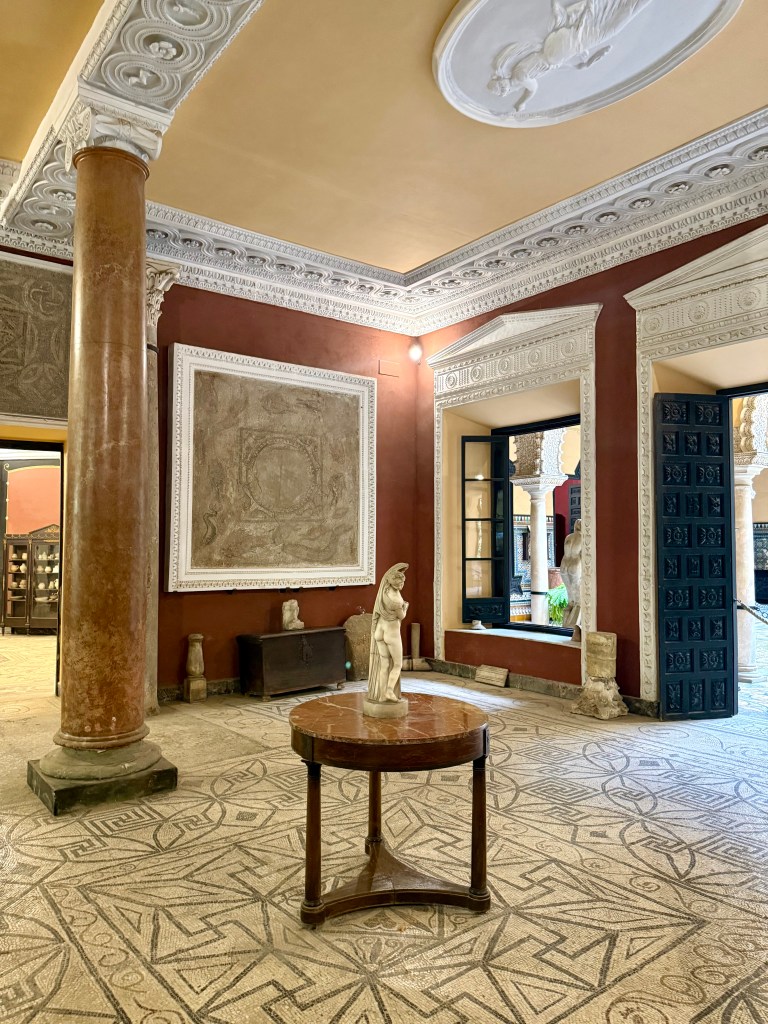
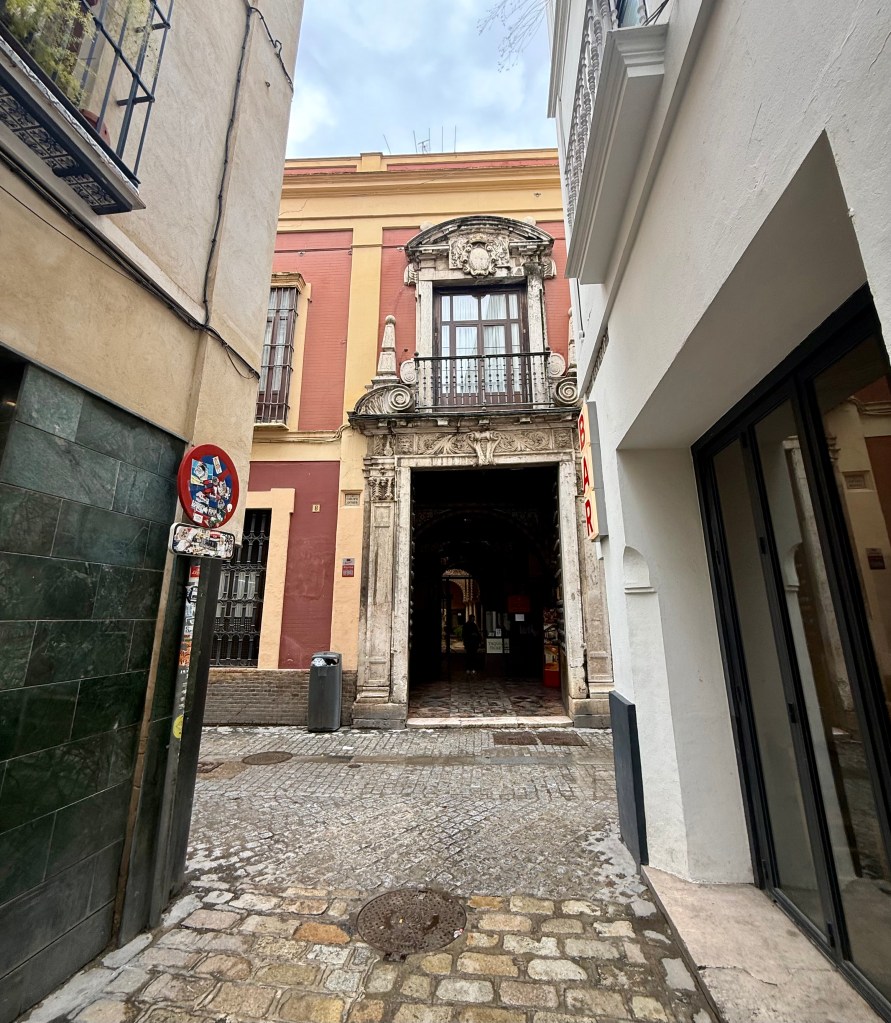
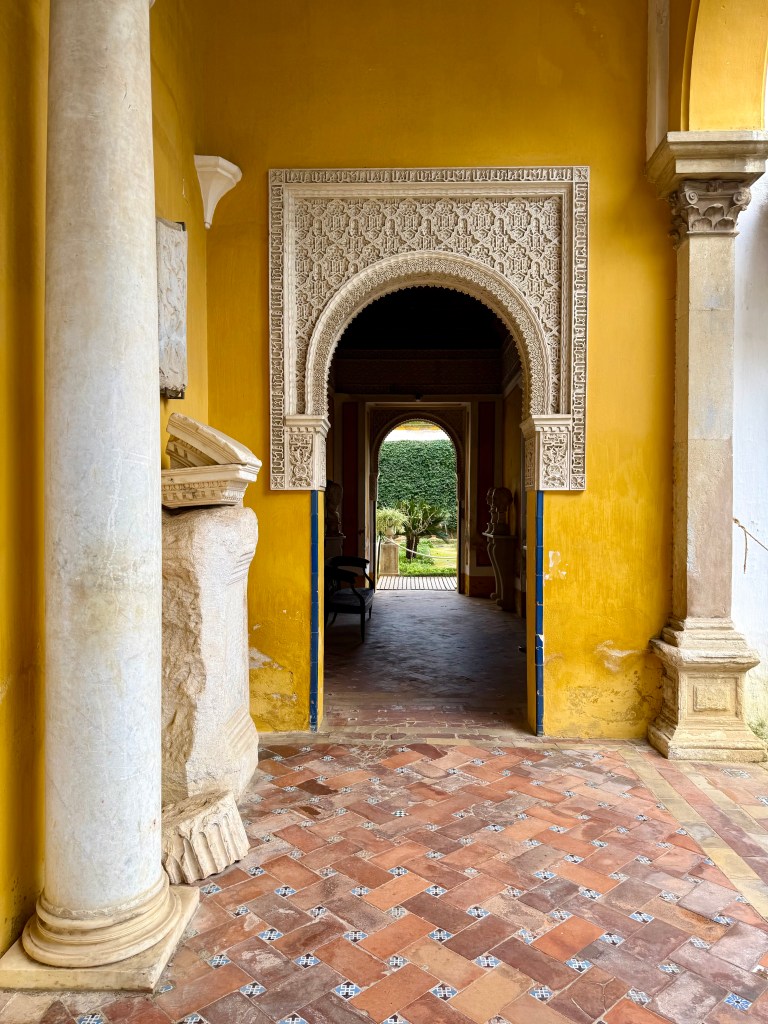
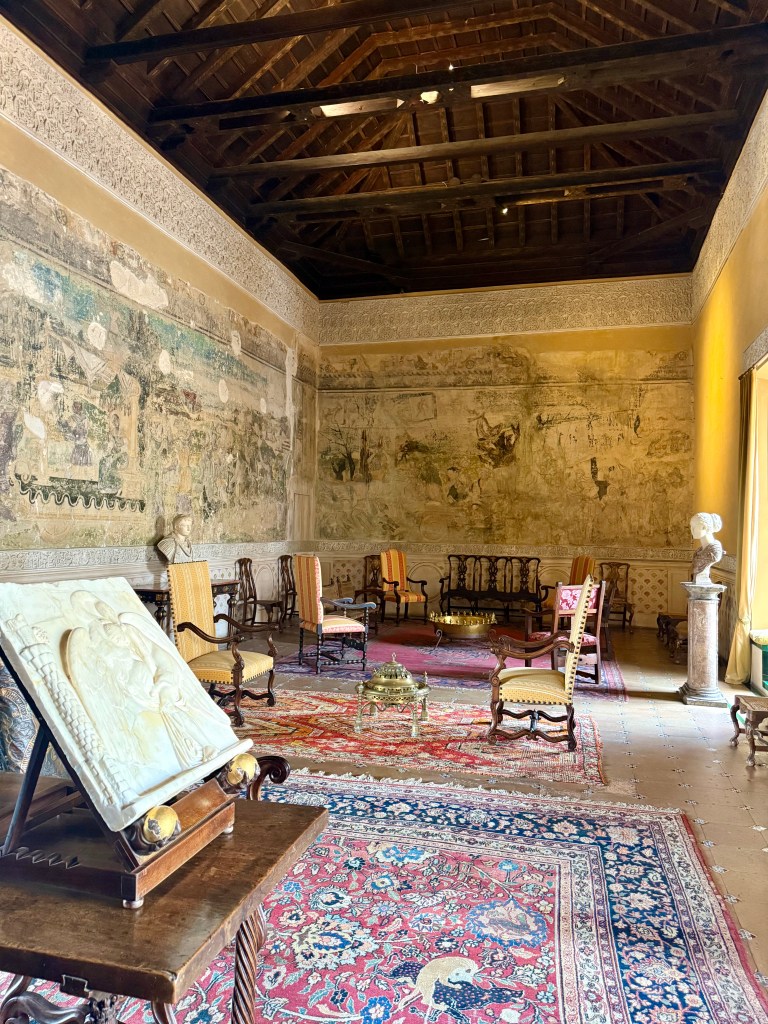
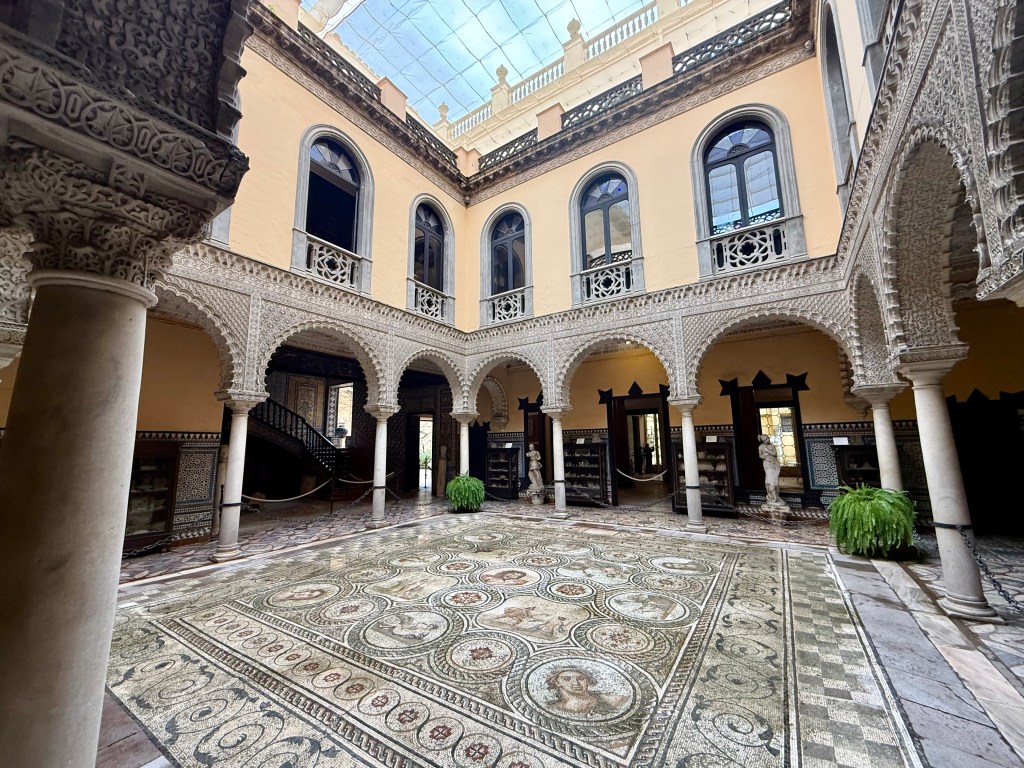
    With just days left in my monthlong sabbatical in Seville, I assumed I had seen pretty much everything I should. A few late-breaking surprises have proved me wrong. The most unexpected of these was the Palace of the Countess of Lebrija, another of the city’s celebrated casa palacios—grand private homes that blur the line between residence and museum.

    The original building dates to the sixteenth century, but the palace achieved both its fame and its name in the early twentieth century, when it was purchased by Doña Regla Manjón Mergelina, the Countess of Lebrija. Over the years, she bought up neighboring houses, dramatically expanding the property and renovating it to suit her ambitions.

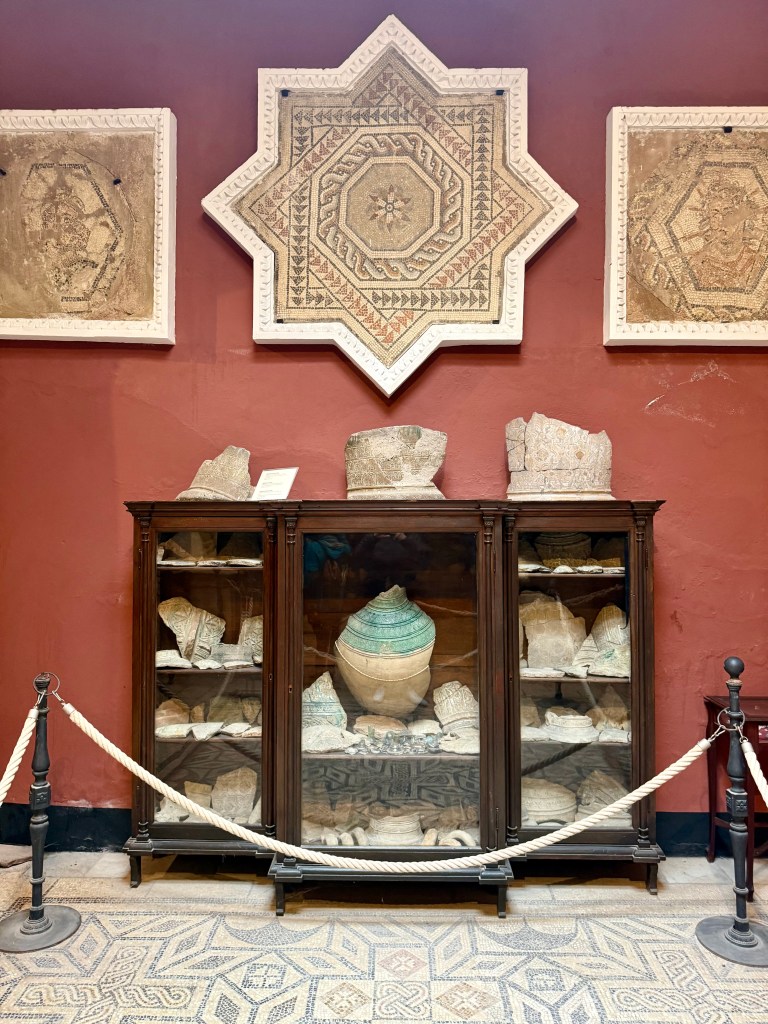
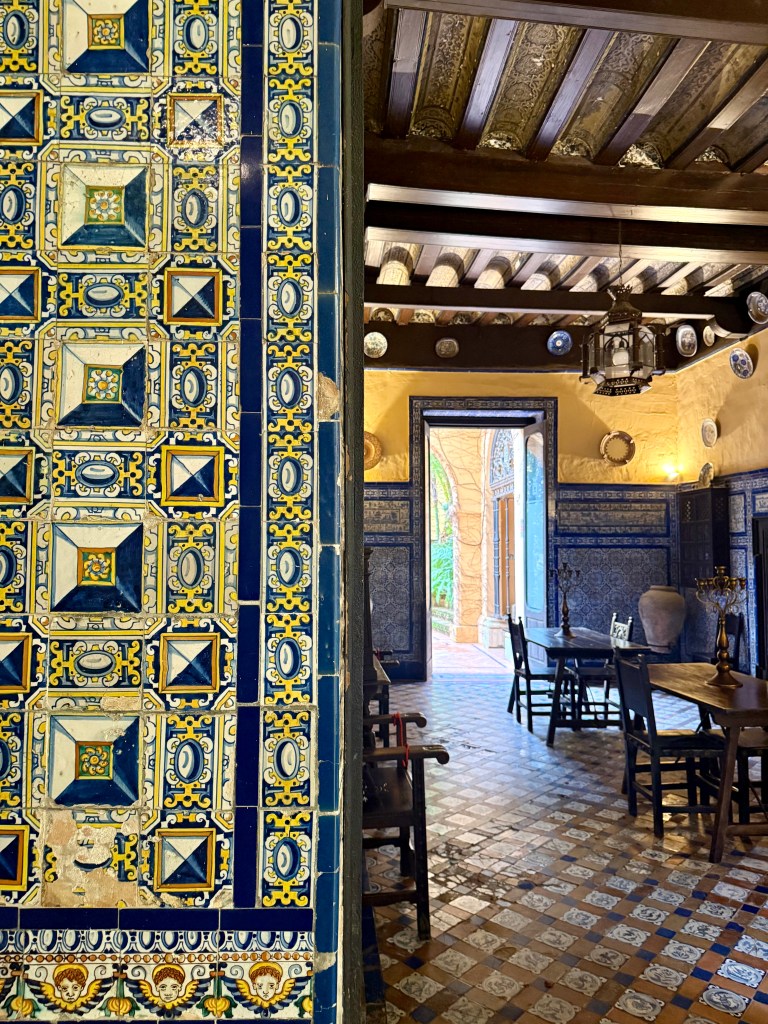
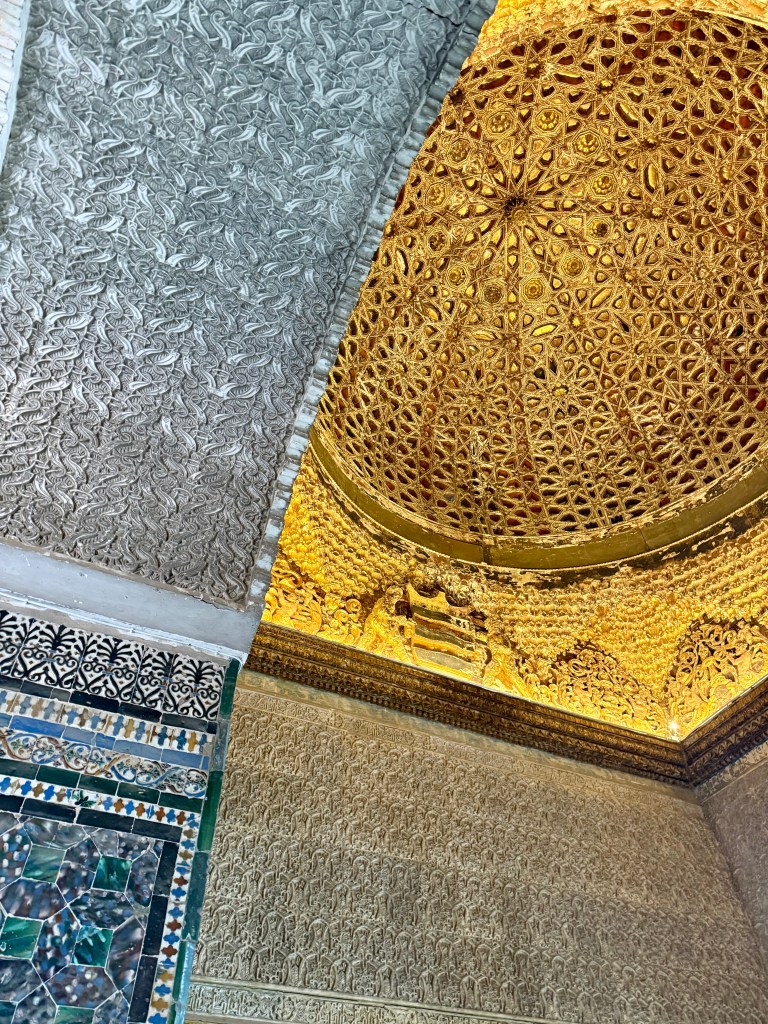
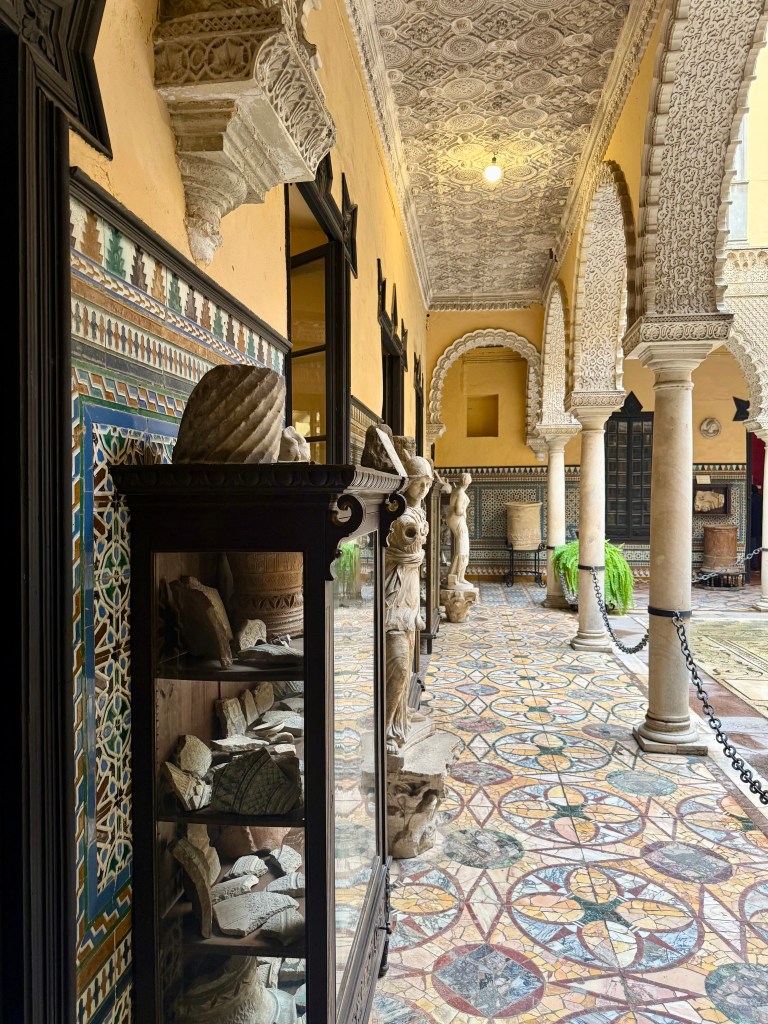
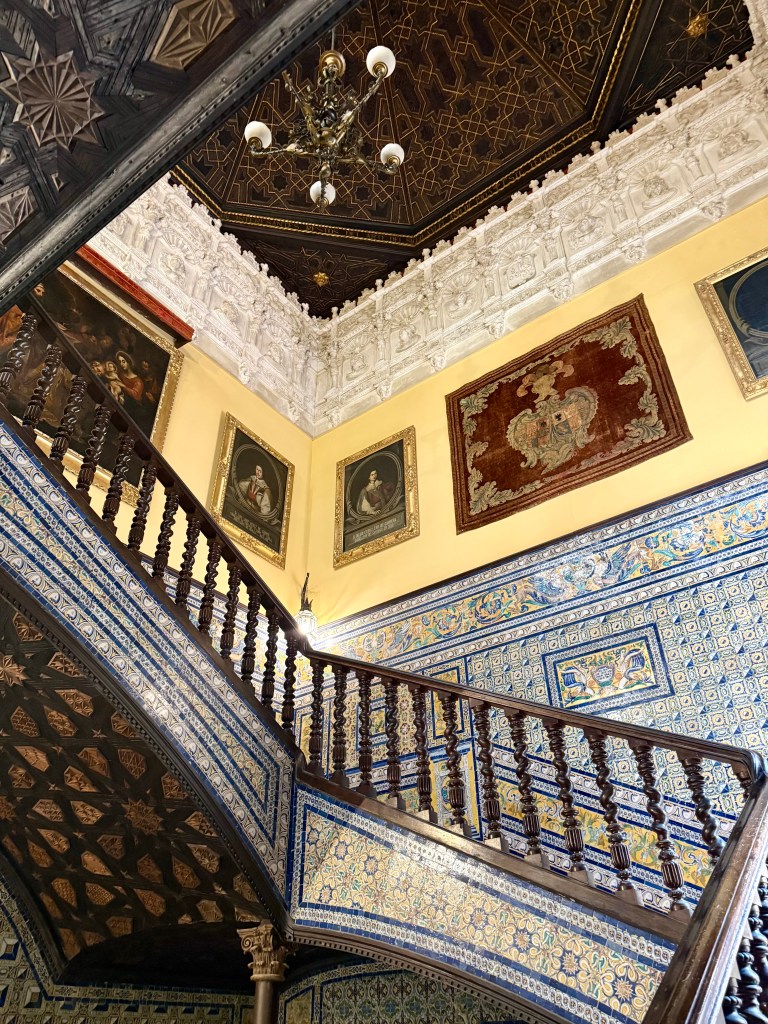
    The countess herself led a fascinating life. An avid collector of art and antiquities, she was also recognized as a genuine authority in the field, becoming the first woman admitted to Seville’s Royal Academy of Fine Arts. Something of a packrat, she was also a fervent preservationist. When a local monastery closed its doors, she purchased its sixteenth-century tiles and lined her staircase with them. From a defunct palace in a nearby town came the ornate wooden ceiling that now hangs above the same stairwell, an architectural transplant rescued from oblivion. Artworks and artifacts from across her collection are thoughtfully arranged in display cases throughout the building.

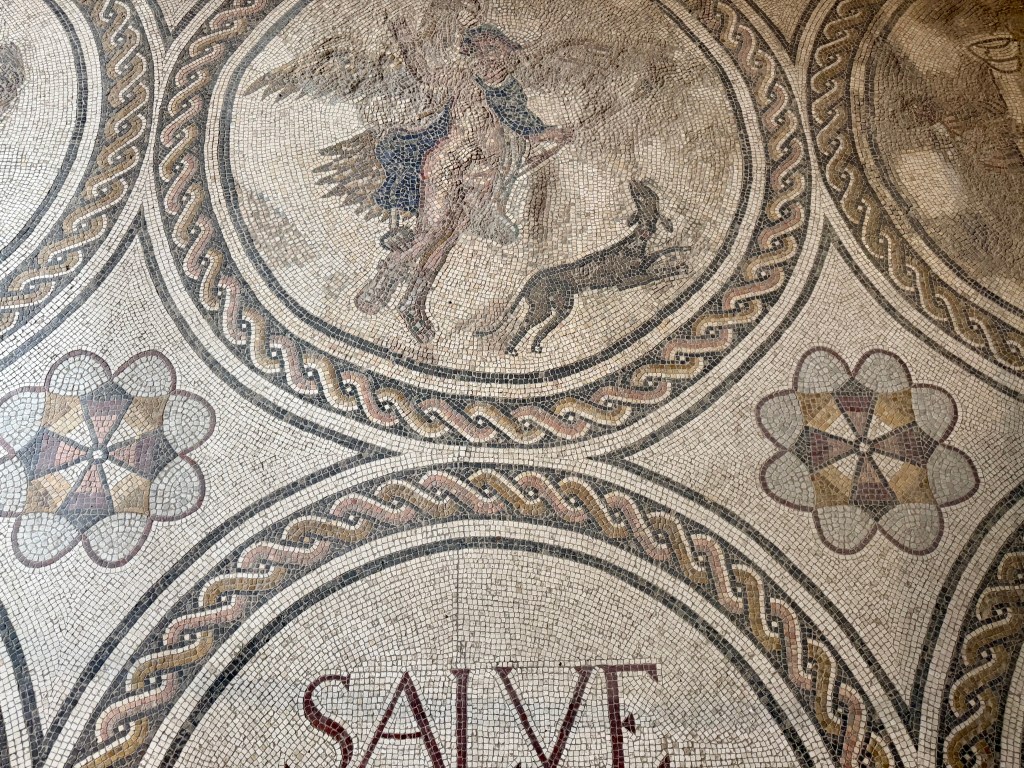
    Most astonishing are the mosaics that cover much of the palace’s ground floor. These were brought from the nearby ruins of Italica, the ancient Roman settlement just outside Seville. The countess didn’t merely acquire them; she actively participated in the excavation of the site itself. How they were transported, intact, and installed in the center of a modern city is something I still can’t quite fathom.

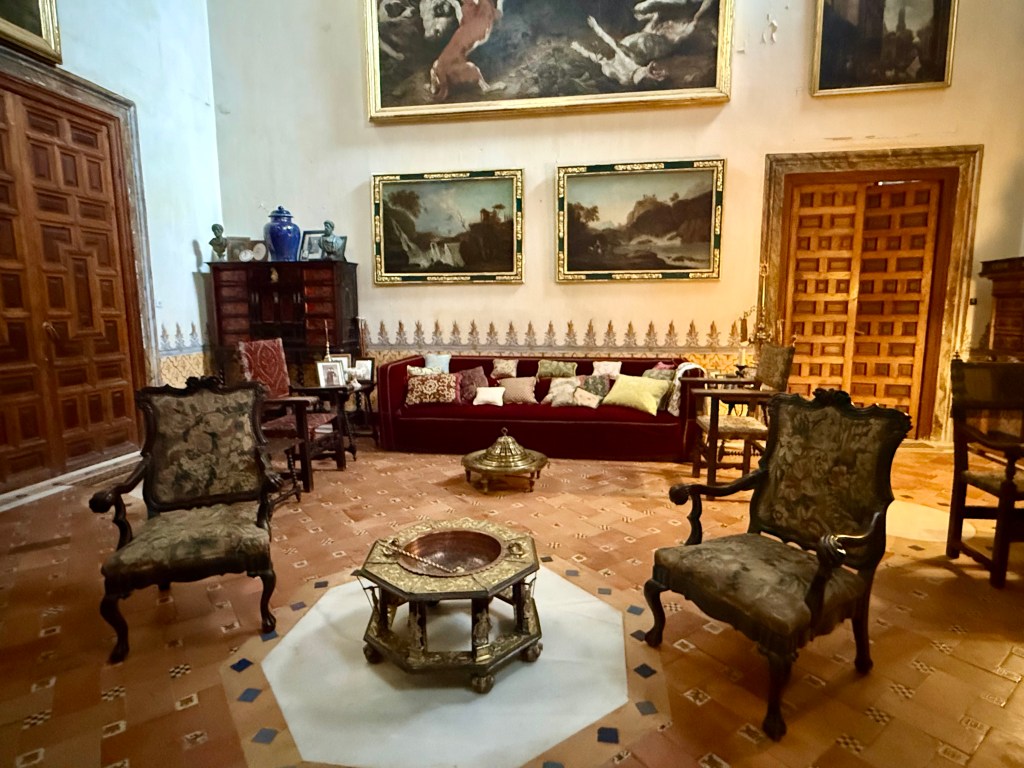
    I arrived just in time to join a tour of the upper rooms, which turned out to be every bit as lavish as the rest of the house—though, alas, photography wasn’t allowed. Traditional Spanish décor sits comfortably alongside Chinese porcelain, Florentine woodwork, and English china, somehow adding up to a coherent whole rather than chaos. Our guide mentioned that in most casa palacios, bathrooms were located outside the main building—something I was surprised I hadn’t noticed before—but the countess was ahead of her time, installing one conveniently adjacent to her bedroom.

    Given all this, it’s surprising that the Palace of the Countess of Lebrija is not better known, or at least not more firmly fixed on the standard Seville itinerary. That it took me four visits to the city to discover it says less about the palace than it does about Seville itself—a place that continues to reward curiosity long after the obvious highlights have been checked off.
  • Getting Lost in the Tiles at the Casa de Pilatos

    Getting Lost in the Tiles at the Casa de Pilatos

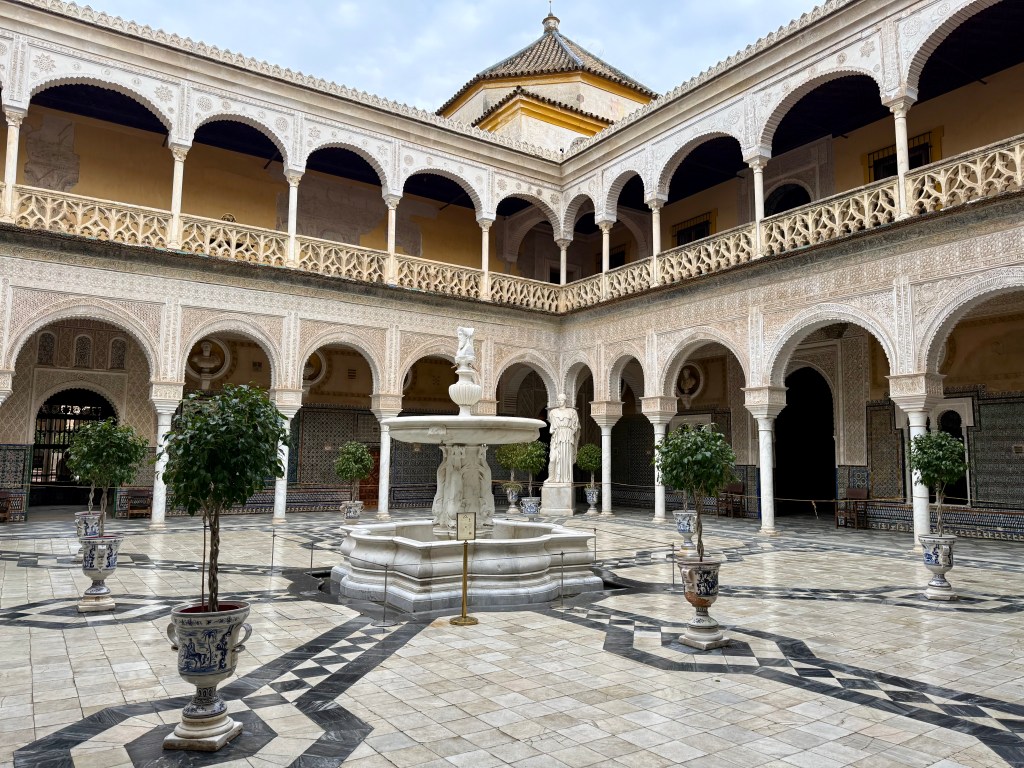
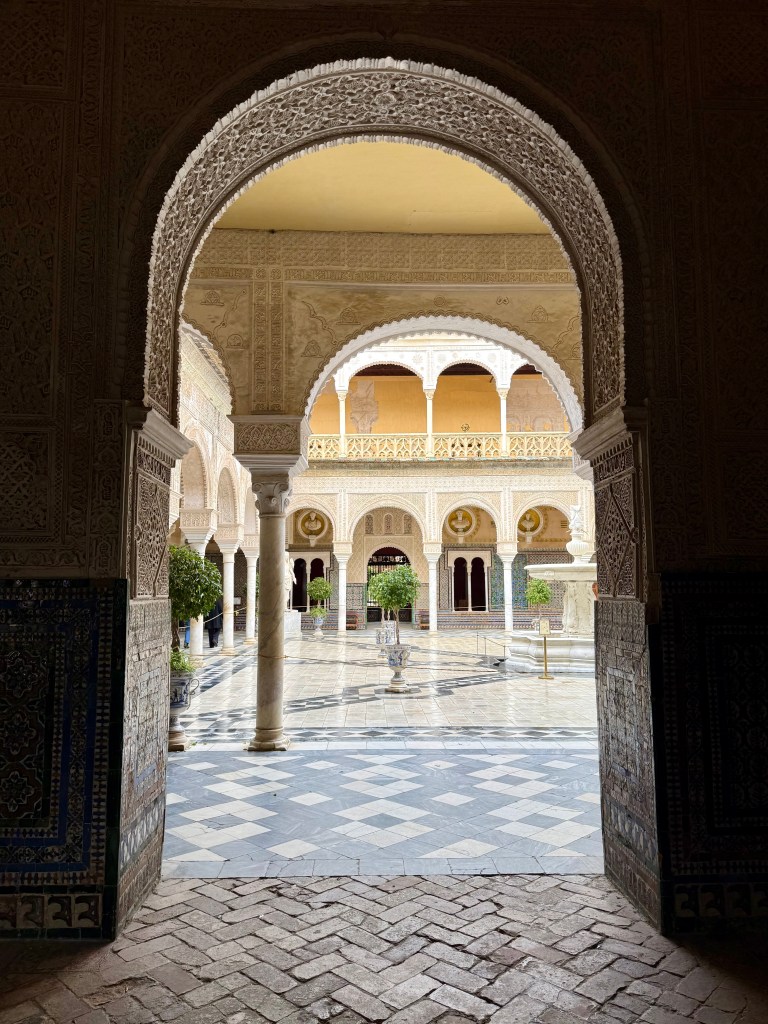
    Seville is home to a remarkable number of casa palacios—grand urban mansions built around traditional Andalusian elements like graceful arched courtyards.

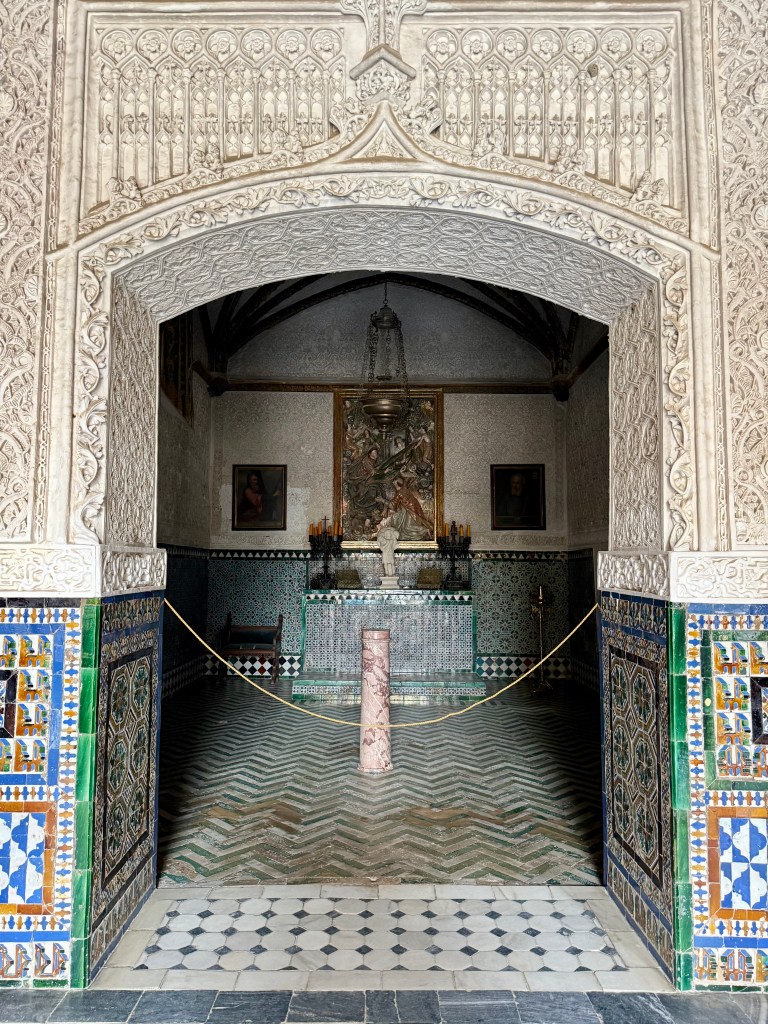
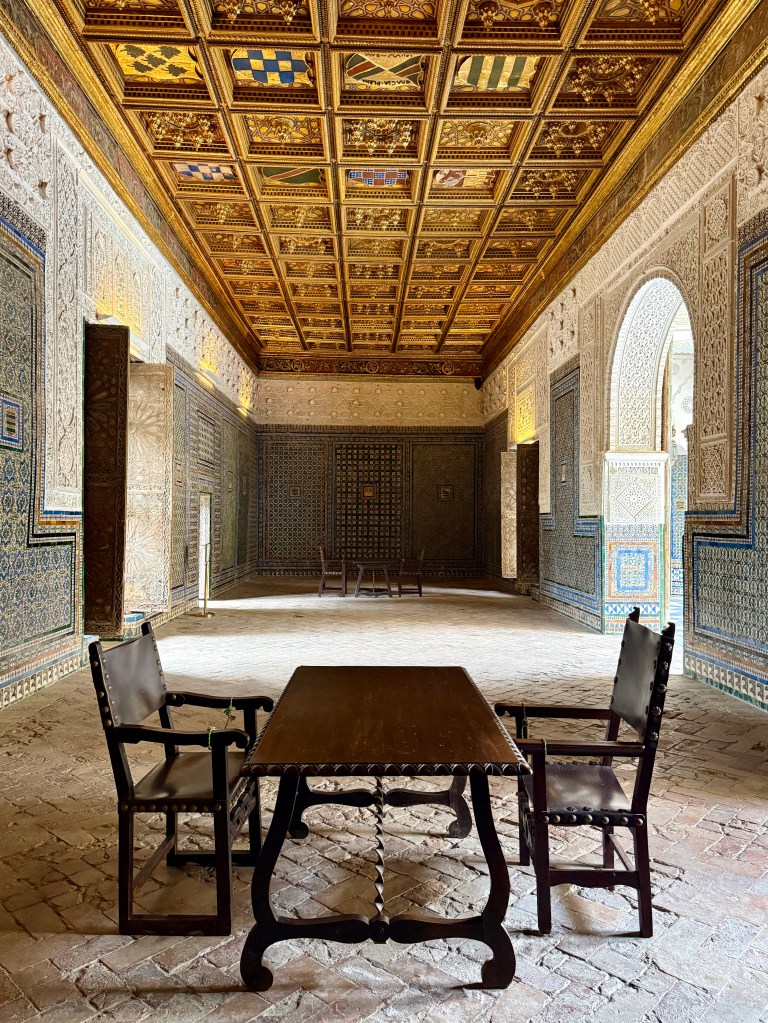
    The Casa de Pilatos, the historic residence of the Dukes of Medinaceli, is an old one. Construction began in 1483, during the transition from late Gothic to early Renaissance Spain, and the palace reflects that moment—a richly layered blend of styles augmented by centuries of additions and restorations.

    The central courtyard is breathtaking. Four classical statues—Roman copies of Greek originals—stand at its corners, their pale stone figures poised amid a riot of tiles, arches, and light. Sunlight filters down into the space, catching on the statues and the fountain at its center.

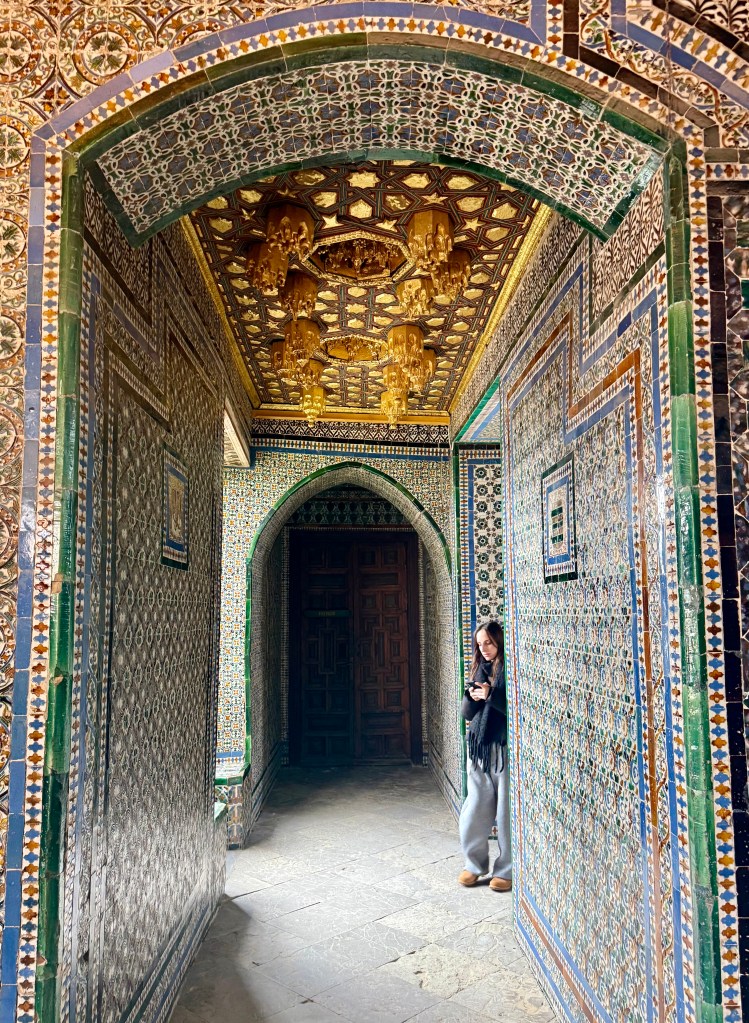
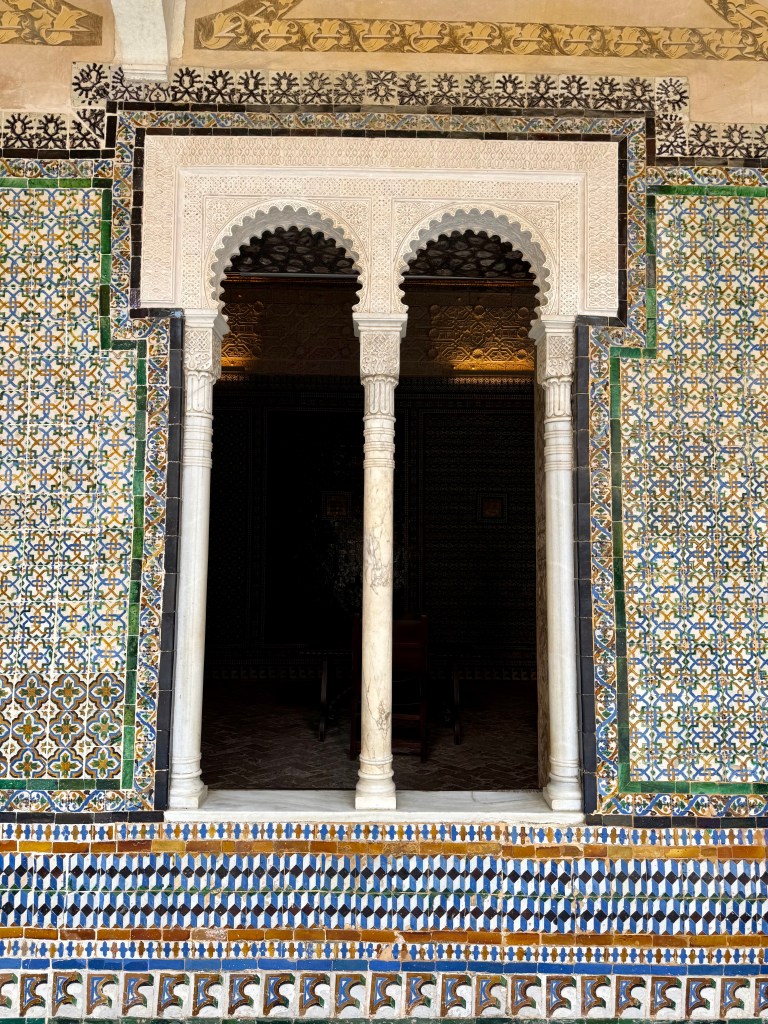
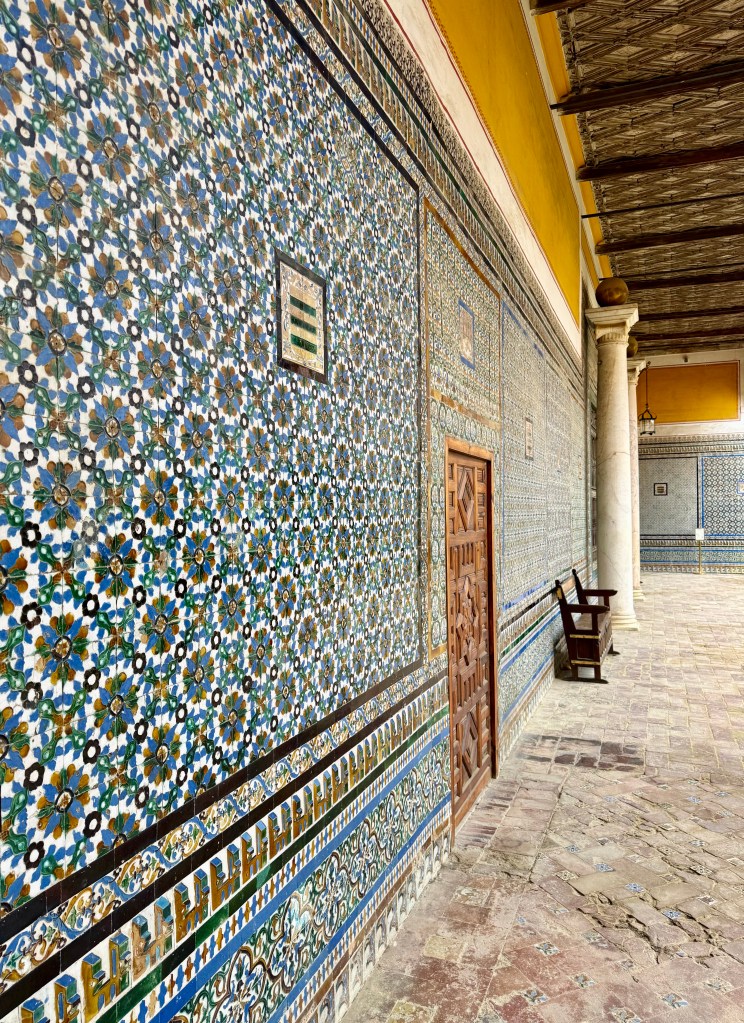
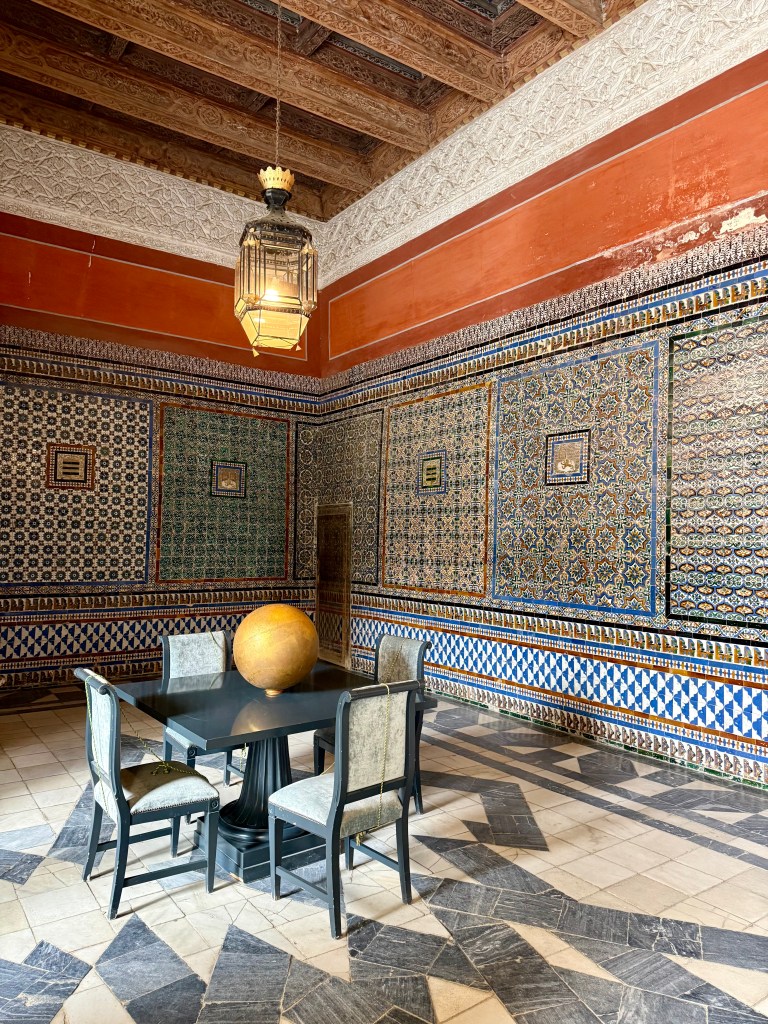
    The true highlight—for me, at least—is the intricate tilework (azulejos). Beyond their beauty, the tiles serve a practical purpose, helping to keep the spaces cool during Seville’s scorching summers, when average high temperatures hover around 100°F. The audio guide is exhaustive (and, at times, exhausting), offering a detailed history of each room, artwork, and renovation campaign. I mostly tuned it out, letting my attention drift instead to the tiles lining galleries, walls, and arches, where I got lost in the patterns.

    Curious to see more, I booked a tour of the palace’s upper apartments, which I had never visited before. With apologies to the House of Medinaceli, I found these rooms surprisingly drab, lacking the color and vitality that so animate the ones below. Mediocre paintings hang on otherwise bare white walls. The most compelling space was a large room once adorned with frescoes depicting the four seasons—almost entirely lost after lime was used to disinfect the room during an outbreak of plague.

    Before leaving, I spent a few more minutes taking in the tiles. It’s easy to understand why filmmakers have been drawn to the building: its interiors have appeared in films like Lawrence of Arabia and Kingdom of Heaven, standing in for places far removed from Seville.

  • Church Fatigue and San Salvador

    Church Fatigue and San Salvador

    Have you heard the term “church fatigue”? No? Maybe it’s a phrase my husband, Donald, and I coined during our travels. In many European cities, there’s a long checklist of churches you’re told you should see—this one for a Caravaggio, that one for an El Greco, and yet another for its groundbreaking architecture.

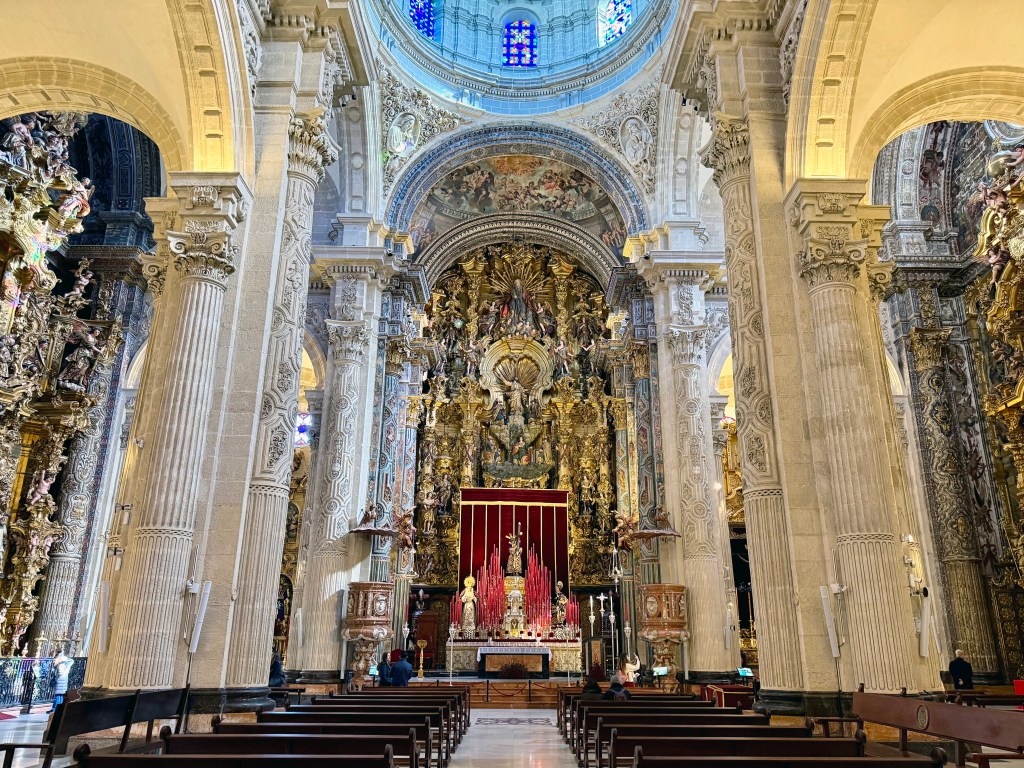
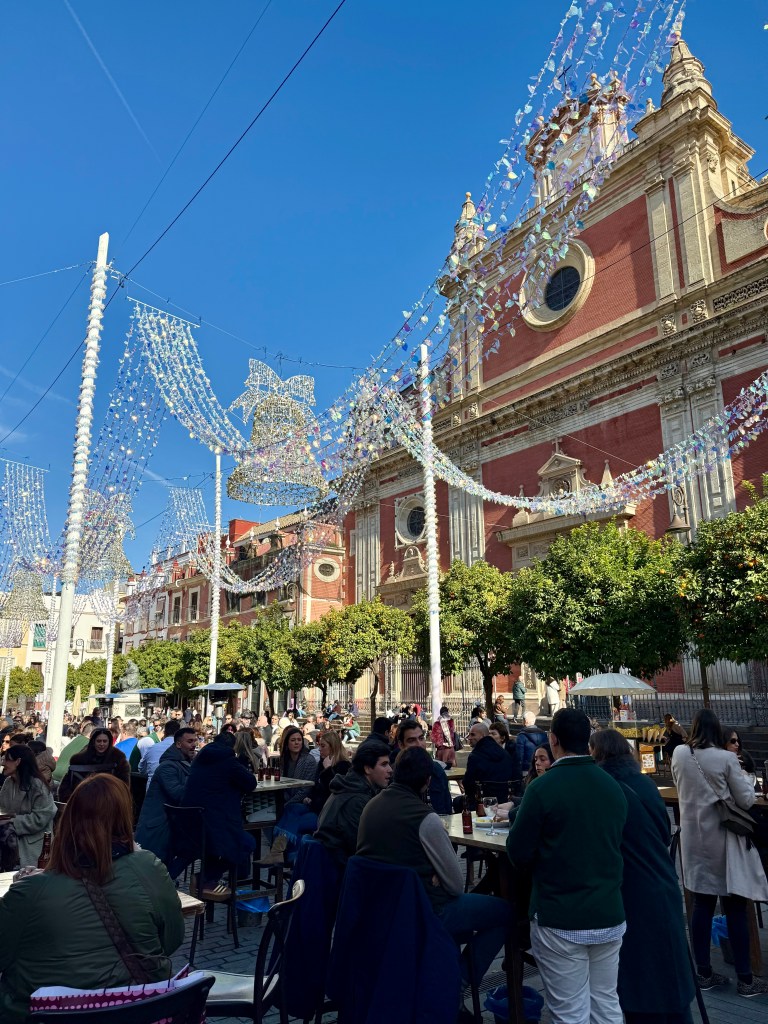
    I was feeling a particularly strong case of church fatigue today while visiting the Church of San Salvador. It’s the second-largest church in Seville and an important one, but after spending hours in the city’s massive cathedral a couple of days earlier, I could have used a longer break from sacred spaces. (I apologize for not being at my best, San Salvador.)

    Like many Catholic churches in Seville, San Salvador was built atop a former mosque after Muslims were expelled from the city in 1248. (One of my favorite history books, The Ornament of the World, by the late scholar María Rosa Menocal, describes how Muslims, Christians, and Jews once created a culture of tolerance on the Iberian Peninsula.)

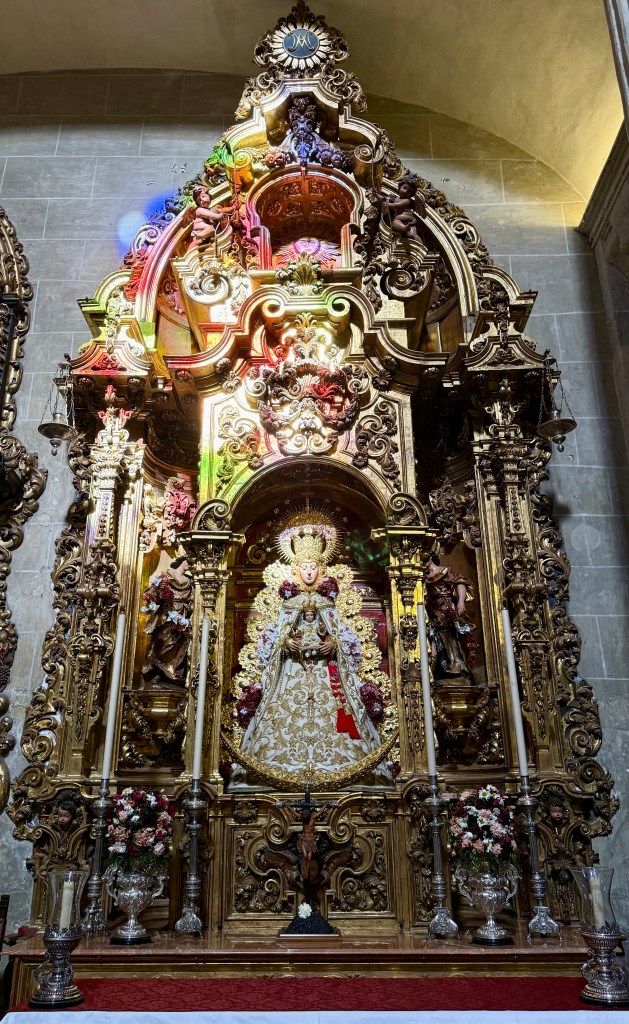
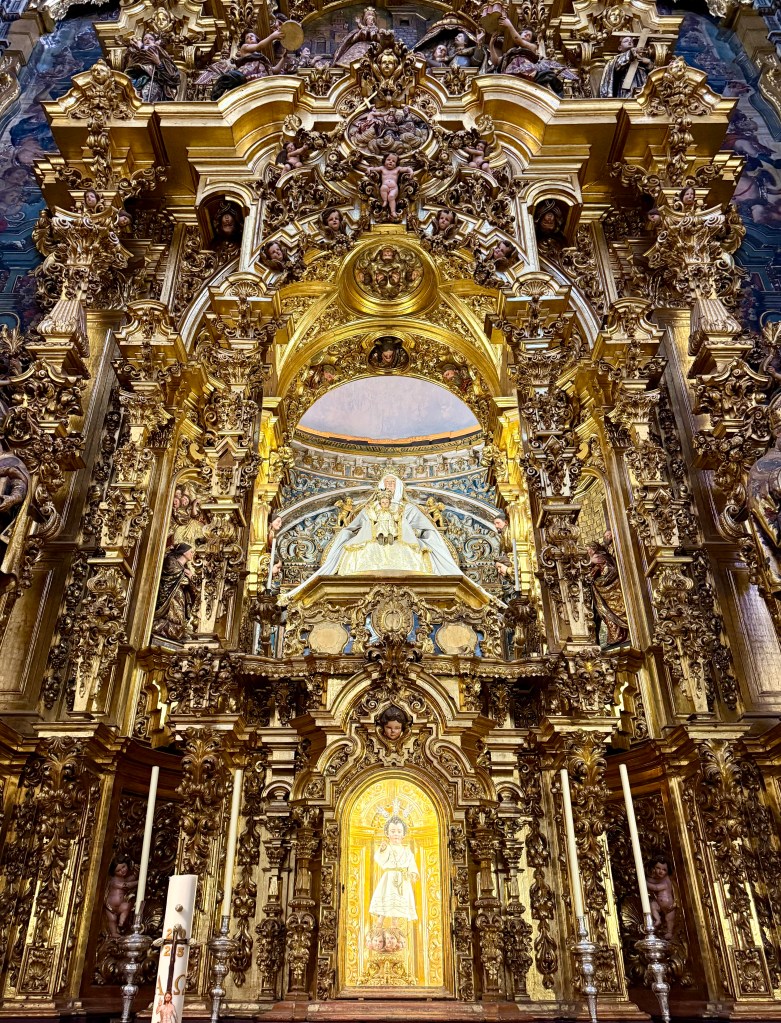
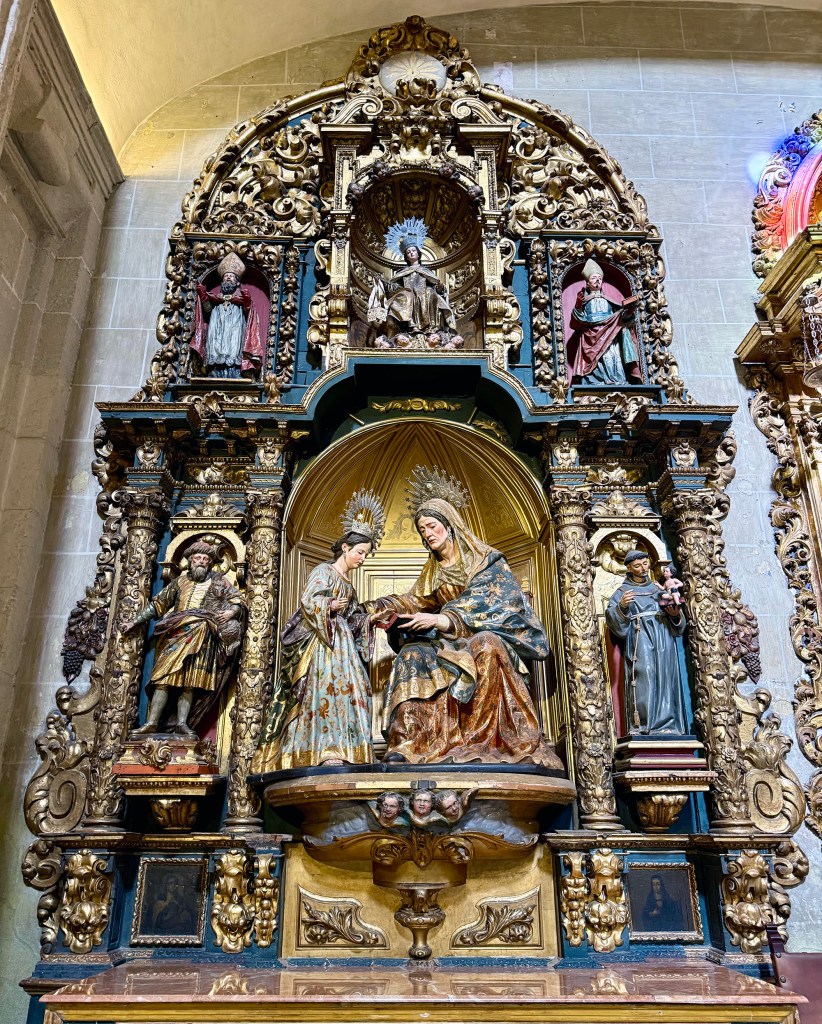
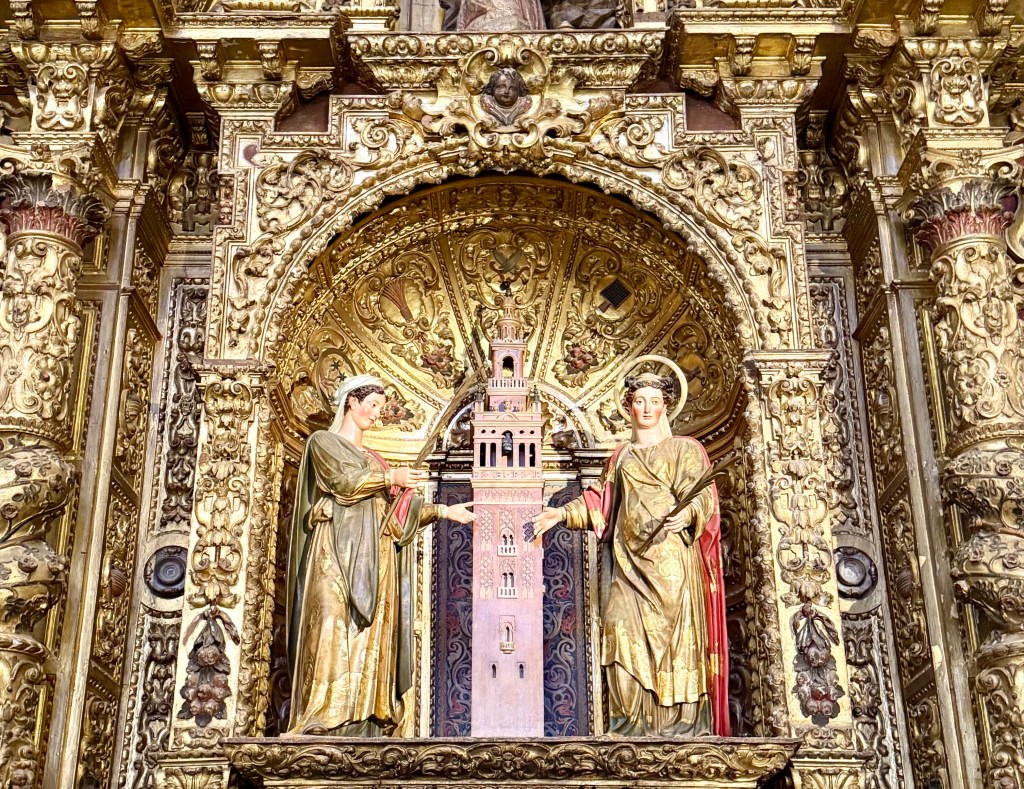
    It’s a church worth seeing, though. The interior is organized around a wide nave with side chapels lined with gilded altarpieces. At one point, light from a high stained-glass window fell across the altarpiece of Our Lady of El Rocío; even church staff paused to take photos. The church also houses important works by Juan Martínez Montañés, one of Spain’s most celebrated Baroque sculptors, including figures that parade through the streets during Seville’s famous Holy Week processions.

    The main altarpiece, massive and densely packed with sculpted figures, anchors the space. The church claims it as one of the last great Baroque altarpieces.

    Outside this quiet space, the plaza was crowded and noisy, full of people enjoying the weekend. I snapped out of my fatigue and grabbed a quick beer amid the crowd before heading back to my apartment.