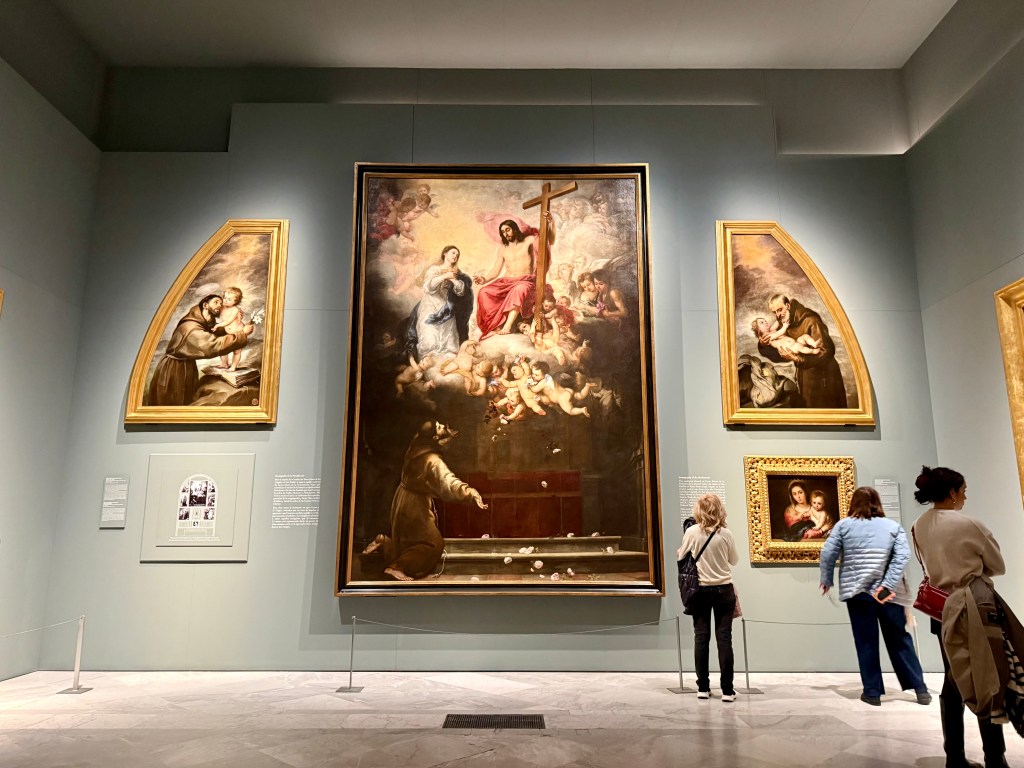
My first few days in Seville have been gray and rainy—an unfamiliar version of the city for me. I’ve only ever visited in high season, but even under thick clouds and steady drizzle, Seville remains warm, charming, and beautiful.
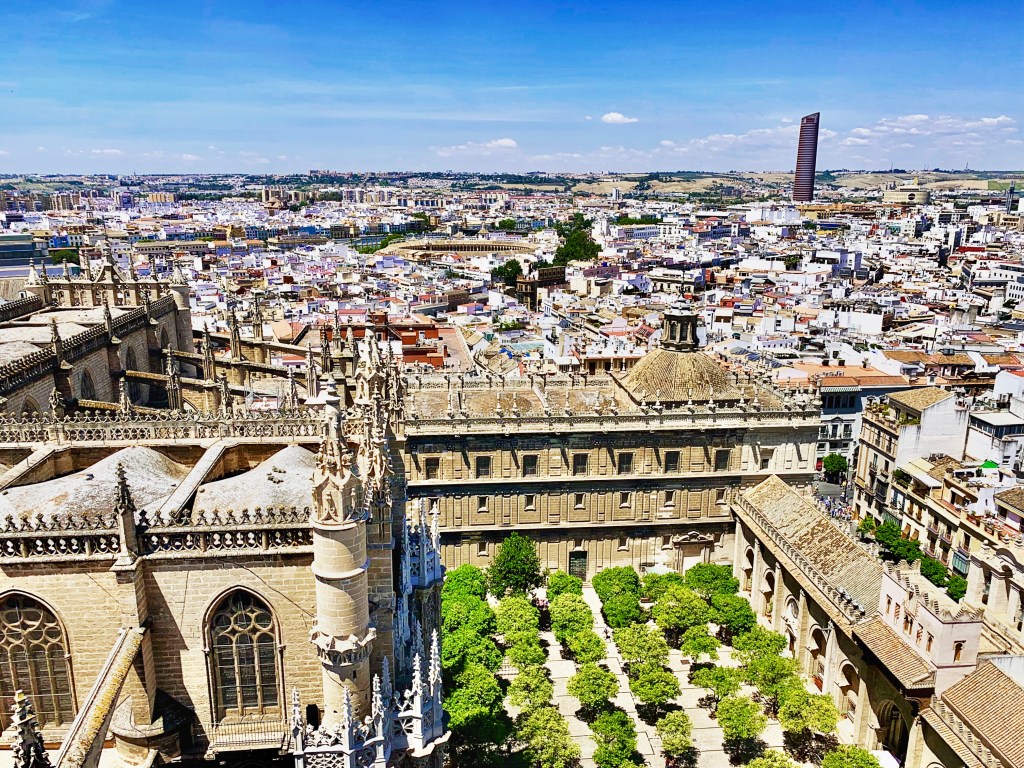
I also completely underestimated how many tourists would be here in early January. School holidays may explain some of it. I made the mistake of not booking tickets in advance for some of my favorite sites, like the Cathedral and the Alcázar. Those will have to wait until next week.
Fortunately, it’s almost always easy to get into Seville’s Museum of Fine Arts. Housed in the former convent of La Merced Calzada, the museum offers airy courtyards, cool stone corridors, and galleries filled with luminous paintings.
The first galleries trace the beginnings of fine art in the city, spurred by the ambitious construction of Seville’s Cathedral—the largest Gothic cathedral in the world—in the fifteenth century. These rooms are worth lingering in, especially for early paintings by the Seville-born Diego Velázquez, but the curation is modest at best. There’s little context to connect the works on display to broader artistic trends or themes in the development of Spanish art. There’s also a striking—but completely out-of-place—portrait by El Greco of his son, presented without explanation. (El Greco spent most of his career farther north, in Toledo.)
A visit to the museum eventually leads into what was once the monastery’s high-ceilinged church, where the scale shifts and the most arresting canvases are displayed. The paintings seem to respond to the space they now inhabit. You pass a succession of religious scenes, including one of Francisco de Zurbarán’s iconic depictions of Christ on the cross.
Finally, as you approach what was once the church’s altar, comes the highlight of the museum: a room dedicated to Bartolomé Esteban Murillo, one of the most underrated painters of any age. I spent more time in this room than in all the others combined. Murillo’s work has a warmth and emotional immediacy that sets it apart from everything else in the museum. His figures feel human rather than monumental, tender rather than severe. Even in religious scenes, there’s a softness in the light and an intimacy in the expressions that make the paintings feel deeply grounded in lived experience.
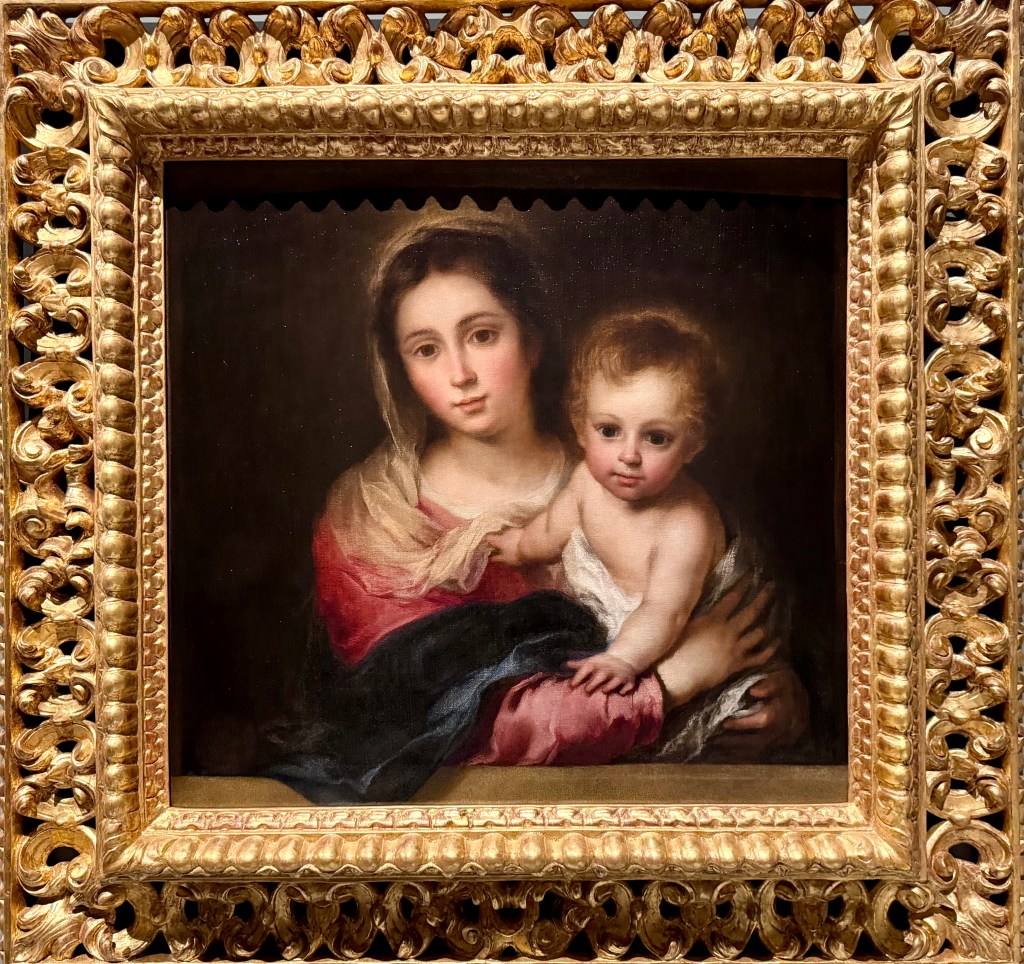
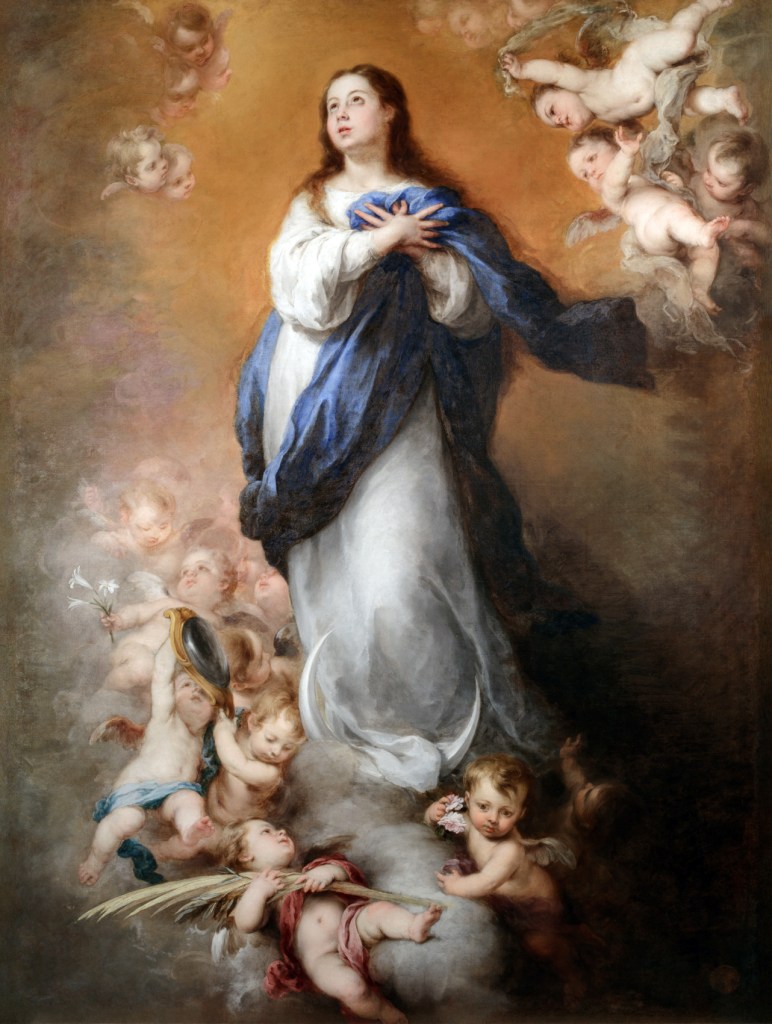
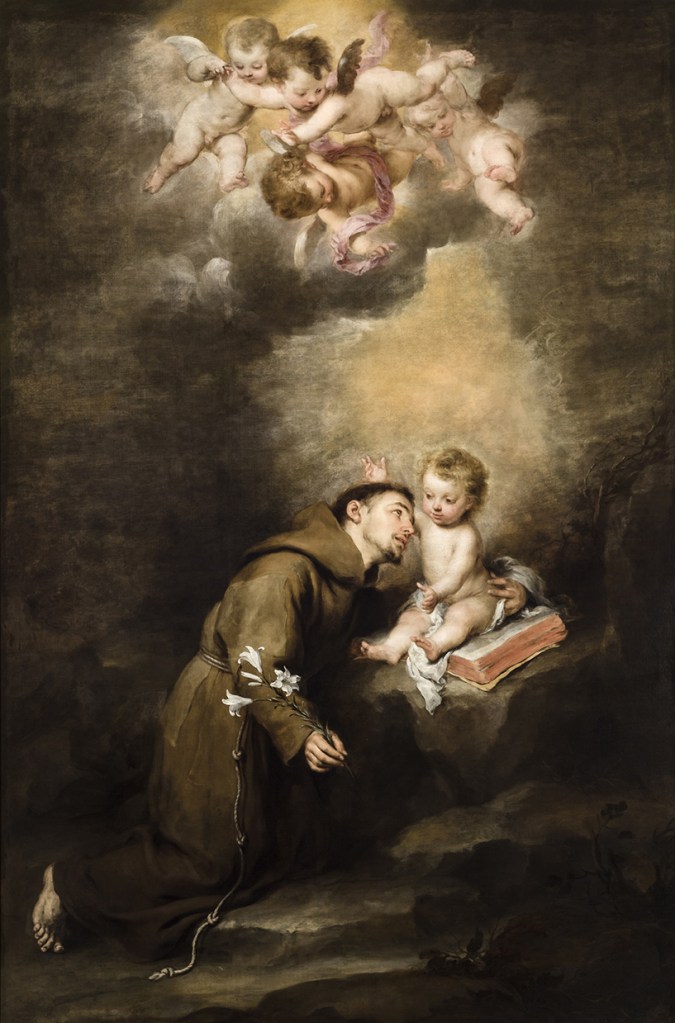
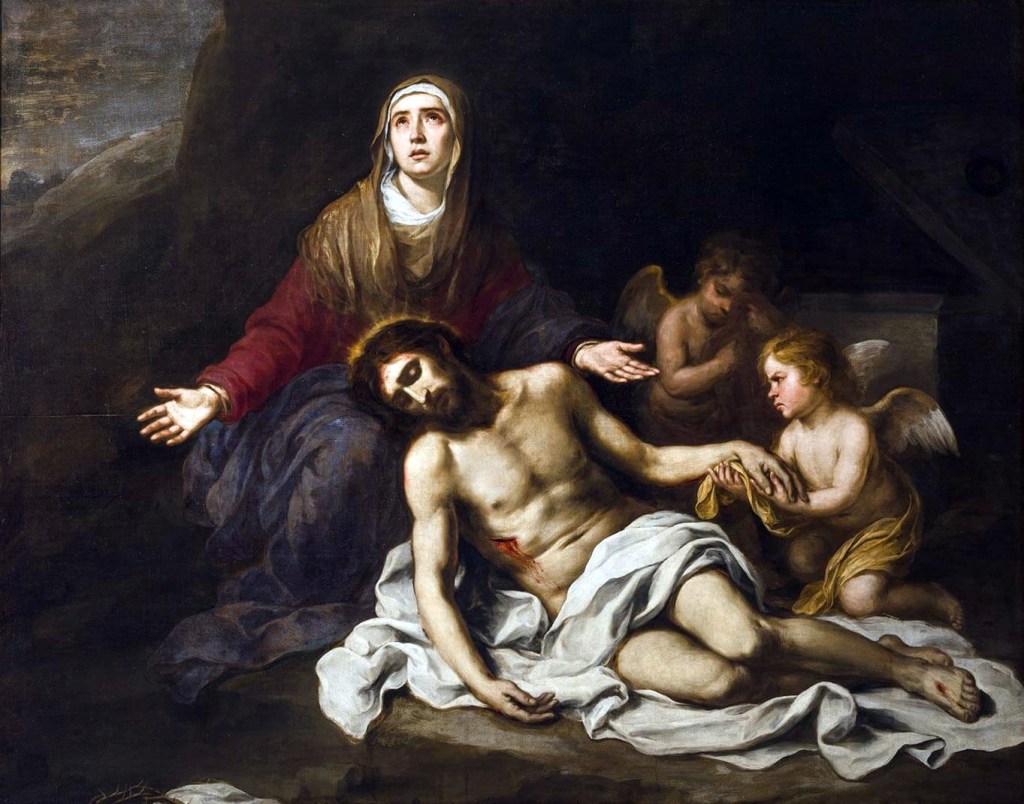
Murillo, who was born and died in Seville, was famous for his many renditions of the Immaculate Conception, and there are two marvelous examples here; they also appear in other museums, including the Prado. But in this gallery, you appreciate his full range: the vividness of Madonna and Child of the Napkin, the quiet tenderness of Saint Anthony with the Christ Child, and the grief of his Pietà, one of his darker compositions. Even this lapsed Catholic found himself returning, again and again, to Mary’s upturned eyes—not only for their sadness, but for the sense of compassion and humanity Murillo manages to hold there, suspended between sorrow and grace.
 One month in Seville