The rhythm of my month in Seville hasn’t been what I’d call consistent. During the first two weeks, I wanted to see and eat everything. In the third week, I settled into a more domestic routine, buying groceries and eating at home. Now, in this final stretch, I’m asking myself: Have I done enough? And what, from past trips, feels worth revisiting?
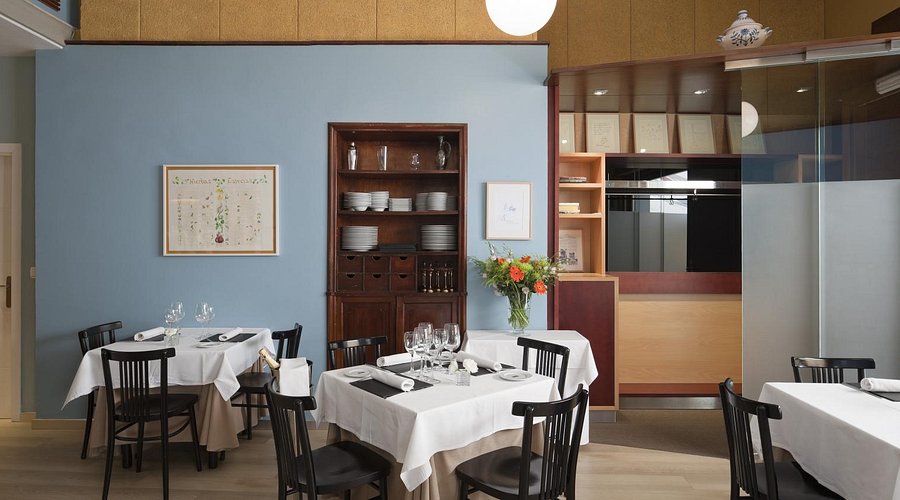
That’s how I ended up dining last night at Espacio Eslava, one of Seville’s most celebrated restaurants. I’d been there before—in 2019, with my parents, on their first night in the city, just before my wedding. We did a tasting menu, as I recall. This time, the experience felt more casual; I ordered à la carte.
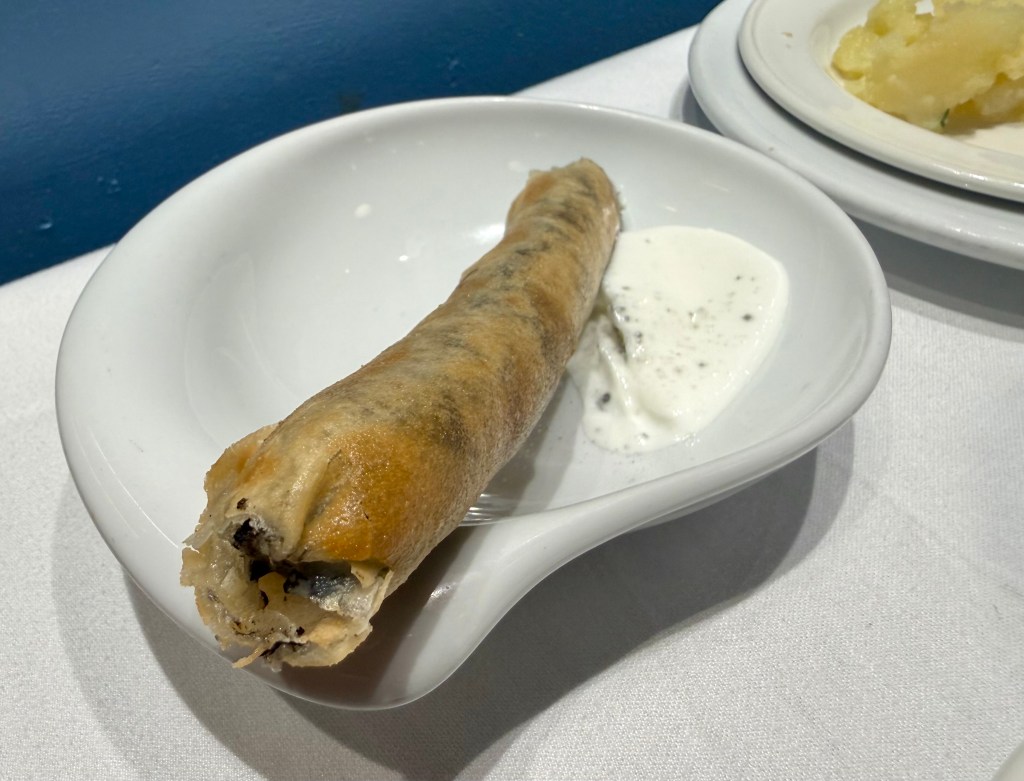
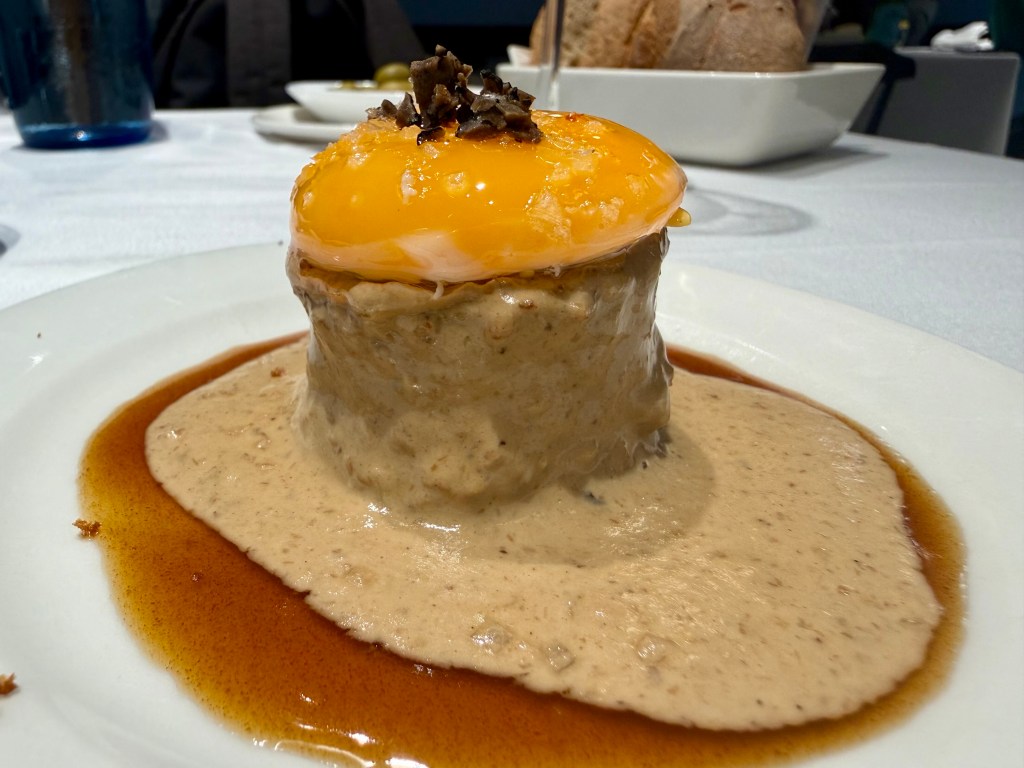
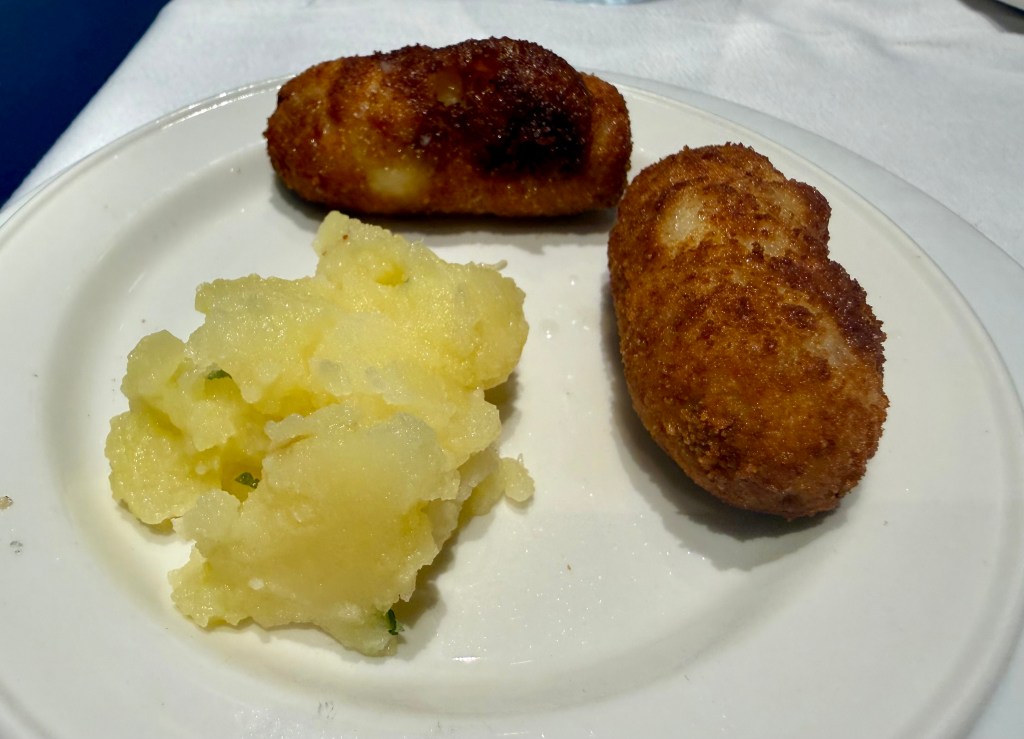
Eslava helpfully features a “greatest hits” section on its menu, and I deferred to my waiter’s judgment—both in selecting the best dishes and in determining how much a solo diner should order. I started with the cigarro para Bécquer: a crispy brick pastry shell shaped like a cigar, filled with a savory mixture of cuttlefish, algae, and a creamy black squid-ink béchamel. Then came another of the restaurant’s classics, a slow-cooked egg yolk served atop a mushroom sponge cake. I’ve had croquetas before, but Eslava’s pork and beef versions are something special—perfectly breaded, with exceptionally rich, well-seasoned fillings. Eslava remains a place where both the food and the service stand out.
I haven’t ordered dessert once while in Seville, unless you count the gelato cone I felt obligated to buy while escaping the rain. But at Eslava, I couldn’t resist the helado de queso viejo (aged cheese ice cream). It was rich and unmistakably cheesy, yet still sweet enough to qualify as dessert.
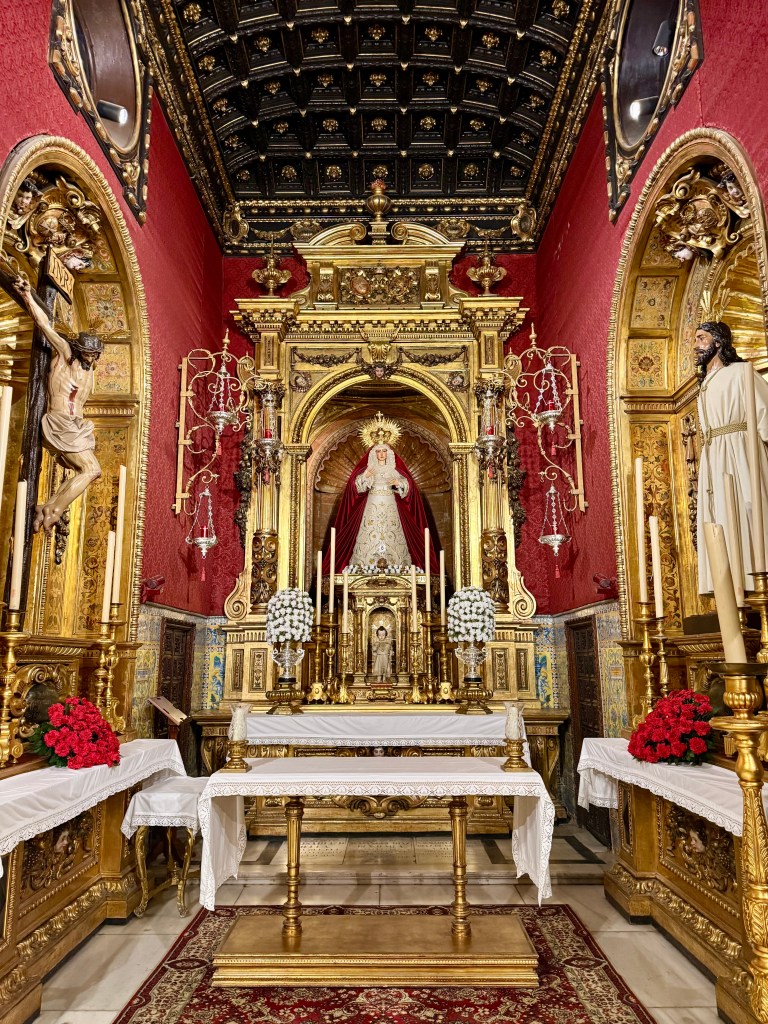
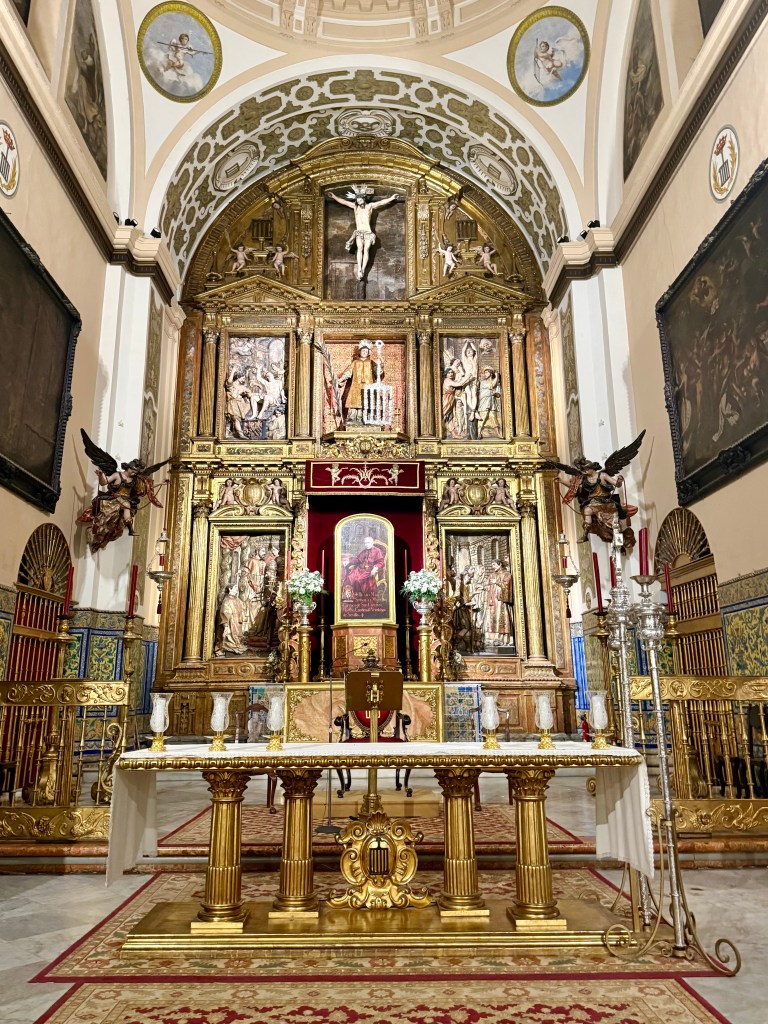
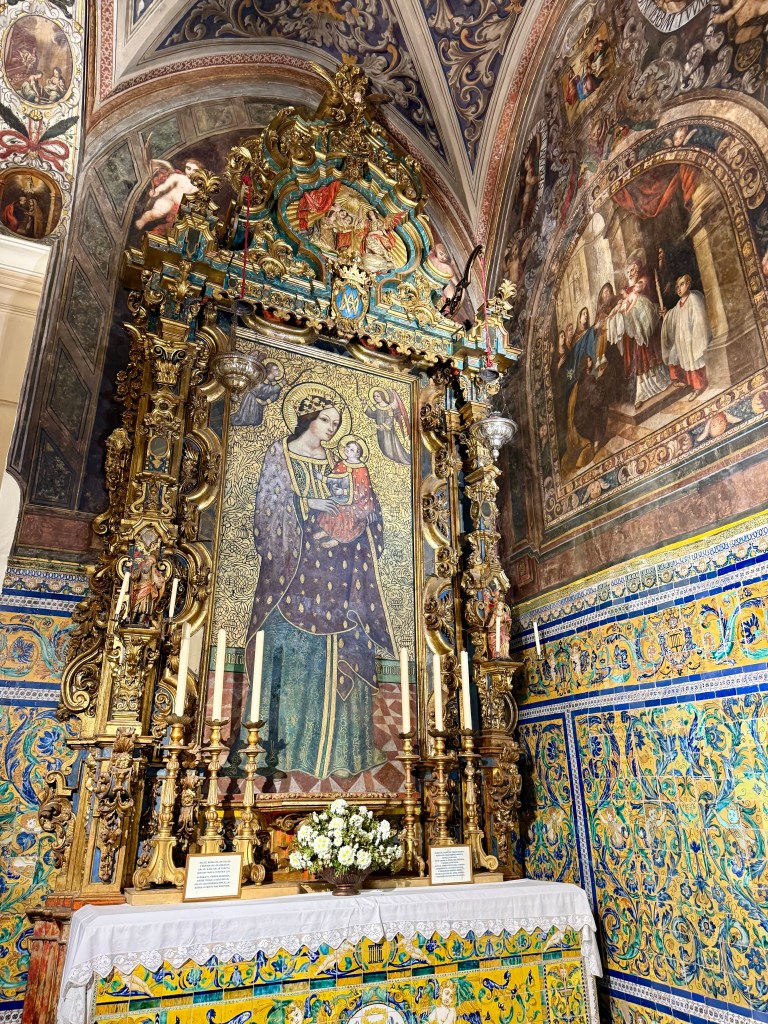
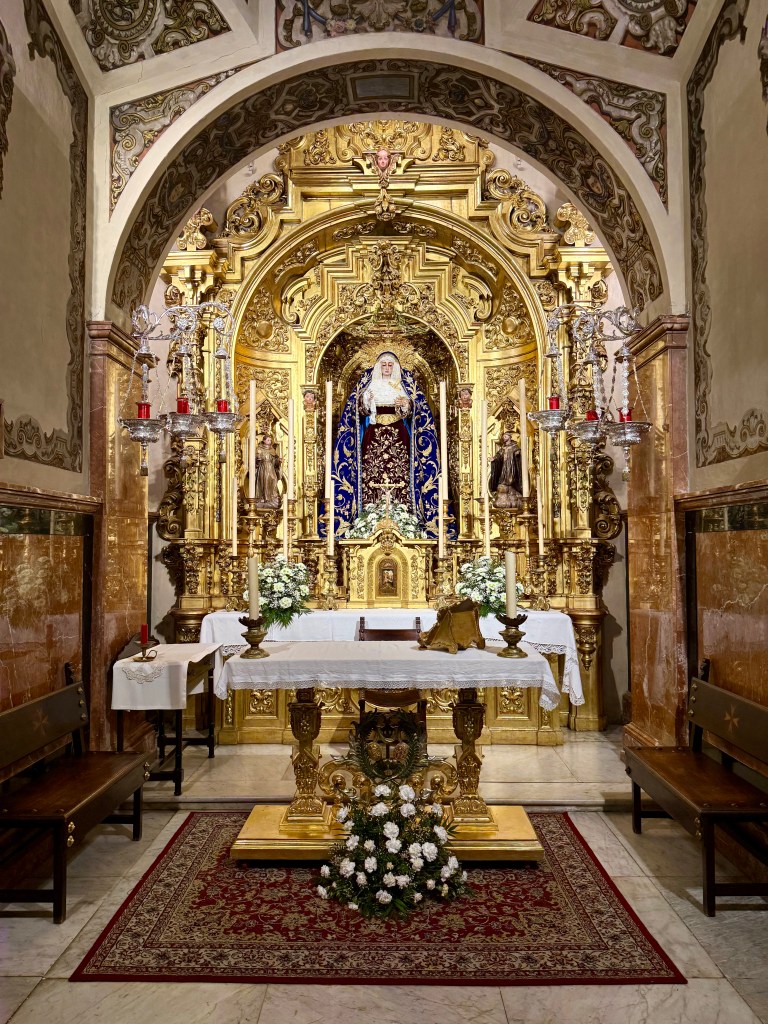
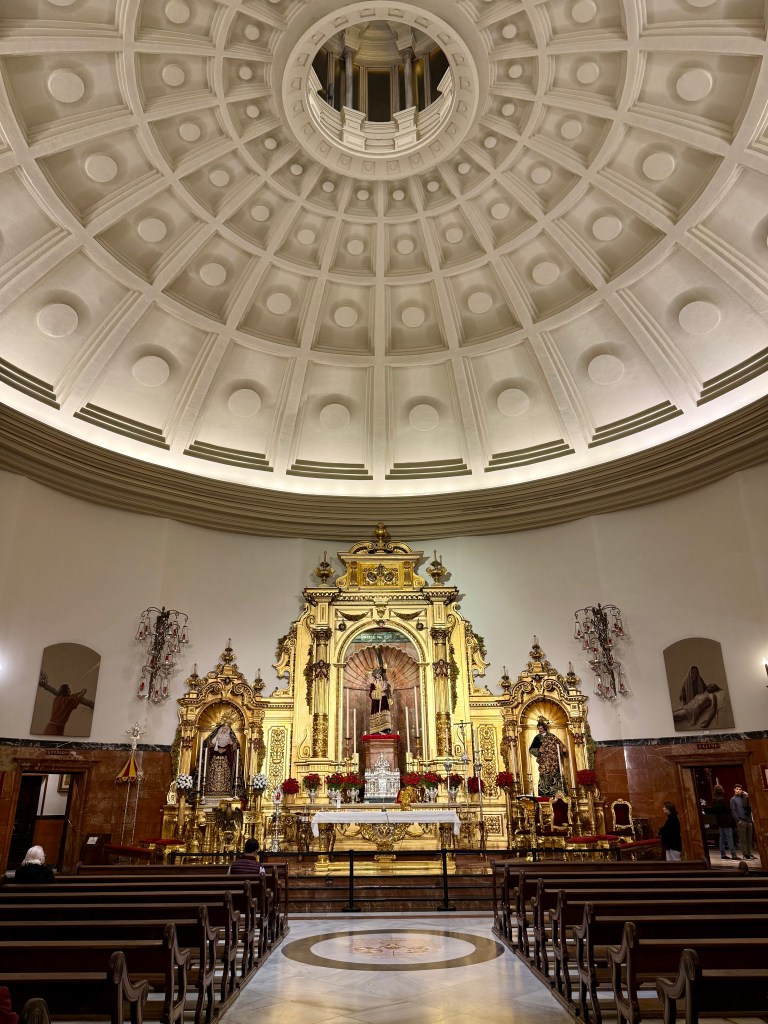
Before dinner, I took a long walk, wanting to take in as much of Seville’s atmosphere as possible before heading back to New York on Saturday. Near the restaurant, I stopped into two holy places: the Church of San Lorenzo and the adjacent Basílica de Jesús del Gran Poder. The former houses stunning chapels maintained by Seville’s Catholic fraternities; the latter is home to a famous sculpture of Christ carrying the cross, created in 1620 by Juan de Mesa, an artist from Córdoba.
A spacious plaza lies just outside the churches—a wonderful place to sit, watch passersby, and digest after a great meal.

 One month in Seville
Leave a comment