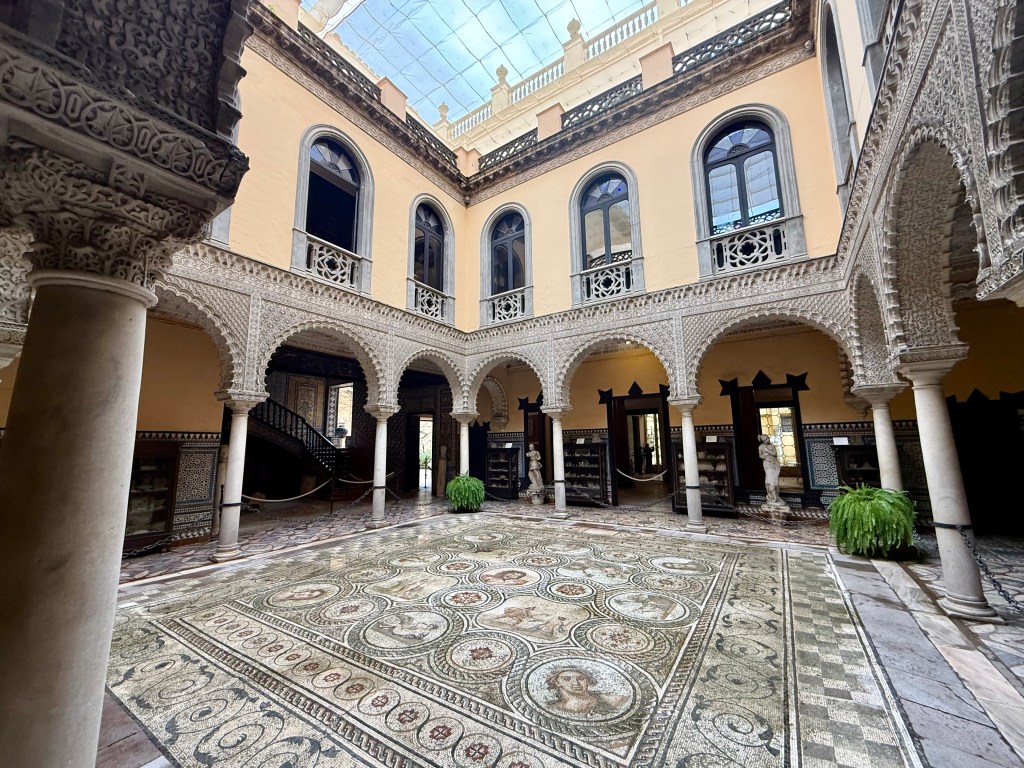
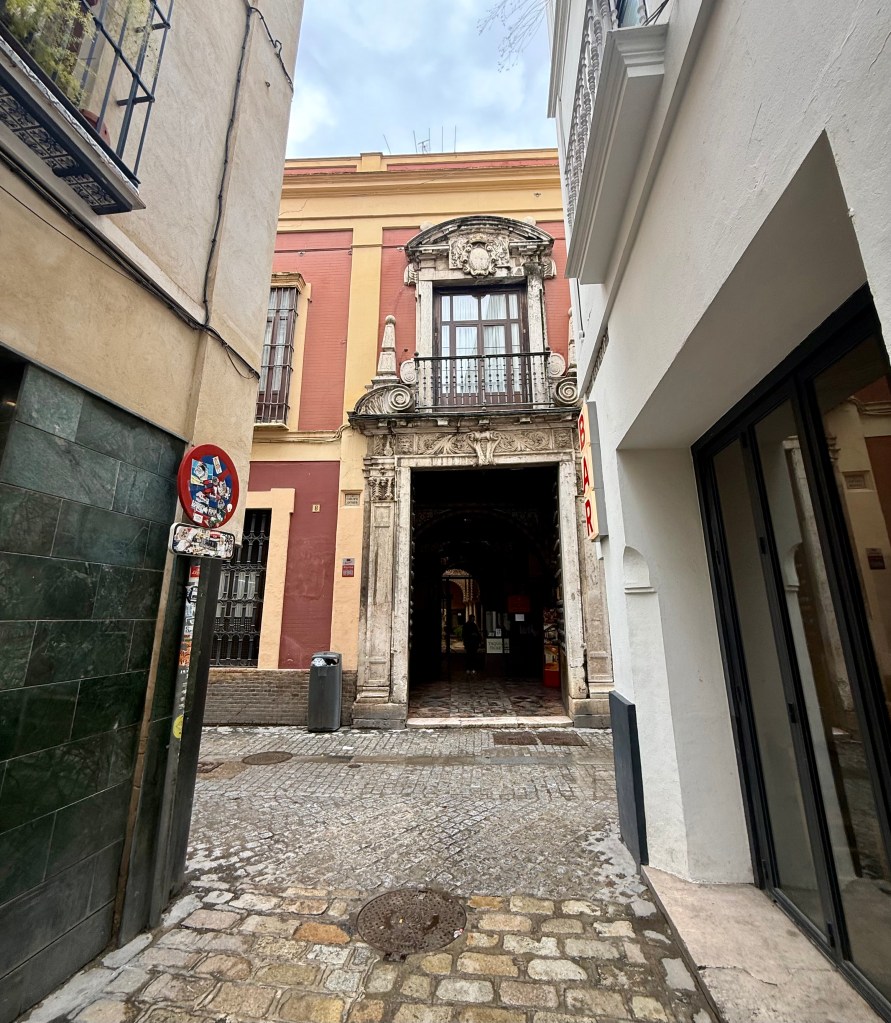
With just days left in my monthlong sabbatical in Seville, I assumed I had seen pretty much everything I should. A few late-breaking surprises have proved me wrong. The most unexpected of these was the Palace of the Countess of Lebrija, another of the city’s celebrated casa palacios—grand private homes that blur the line between residence and museum.
The original building dates to the sixteenth century, but the palace achieved both its fame and its name in the early twentieth century, when it was purchased by Doña Regla Manjón Mergelina, the Countess of Lebrija. Over the years, she bought up neighboring houses, dramatically expanding the property and renovating it to suit her ambitions.
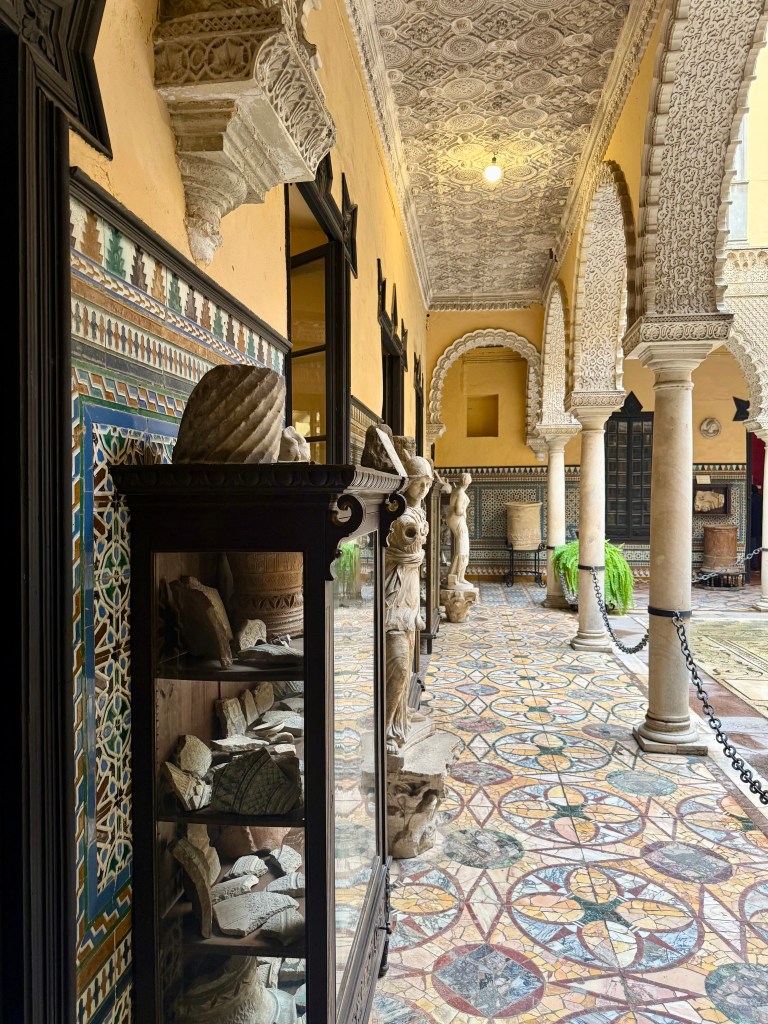
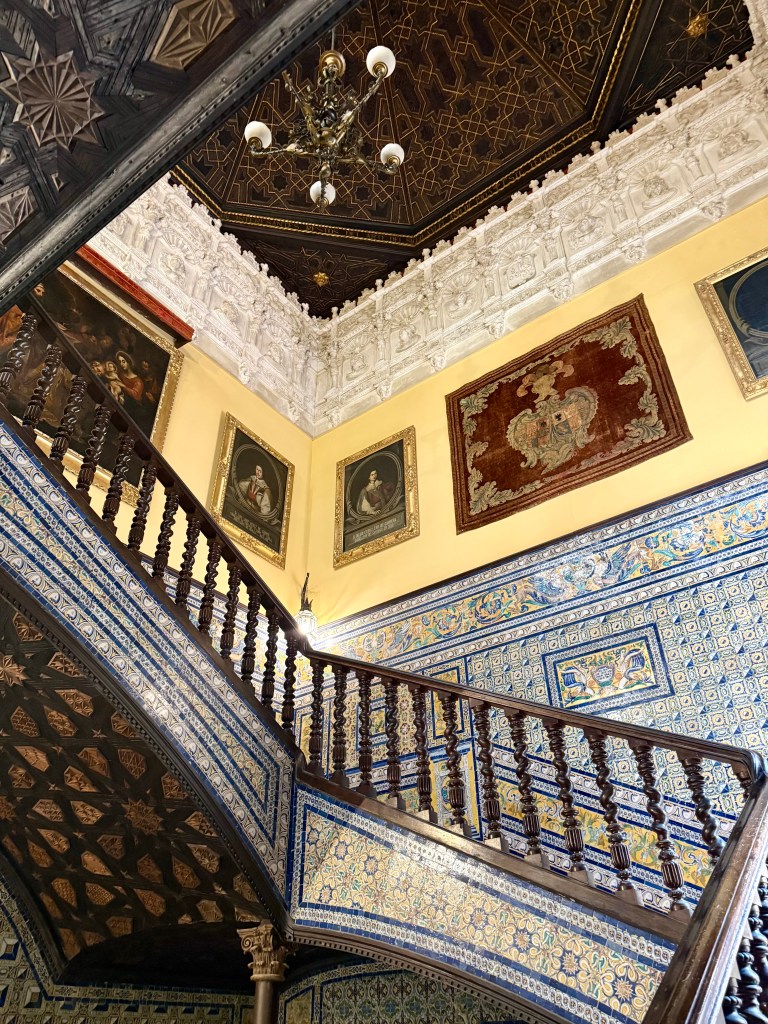
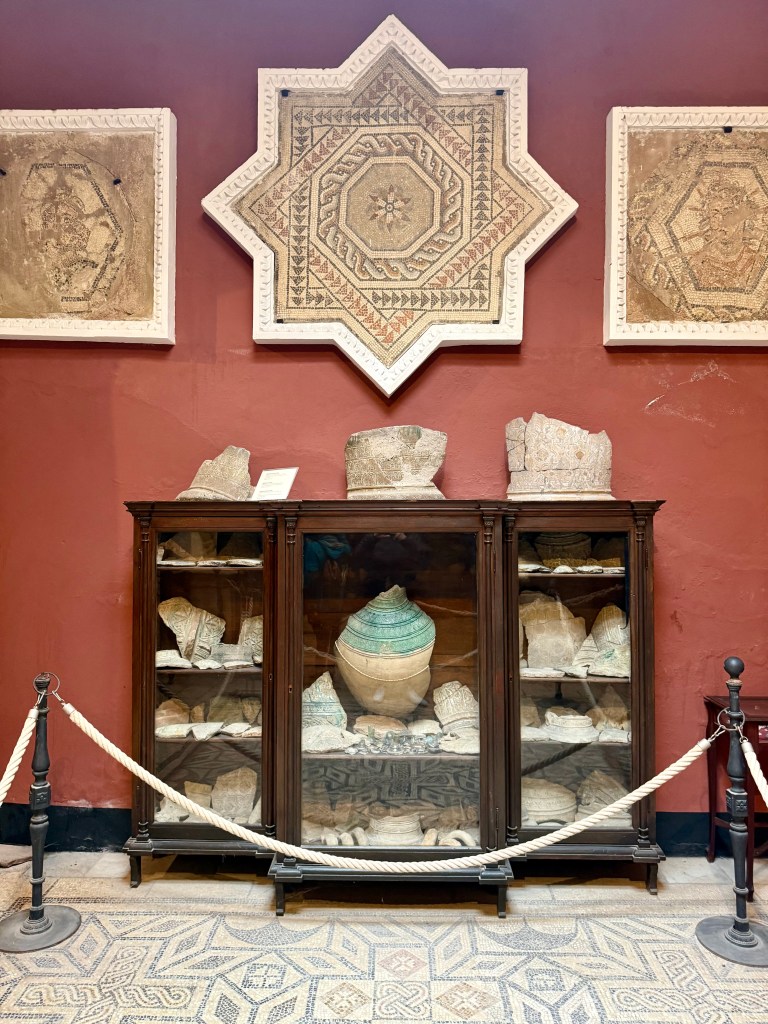
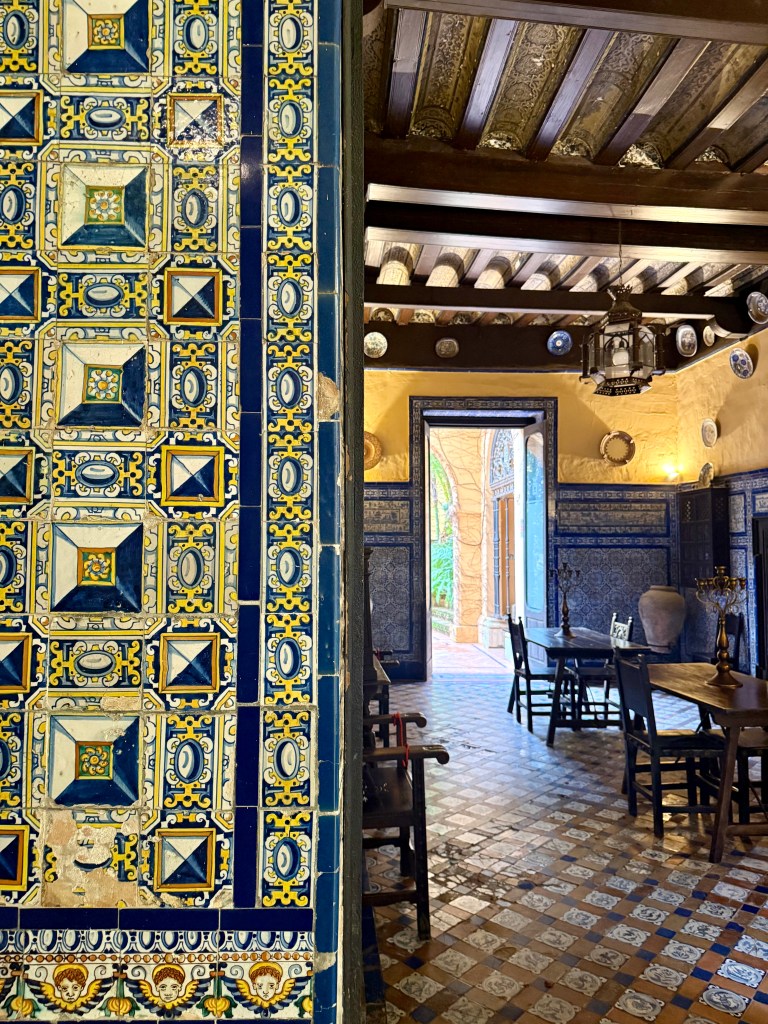
The countess herself led a fascinating life. An avid collector of art and antiquities, she was also recognized as a genuine authority in the field, becoming the first woman admitted to Seville’s Royal Academy of Fine Arts. Something of a packrat, she was also a fervent preservationist. When a local monastery closed its doors, she purchased its sixteenth-century tiles and lined her staircase with them. From a defunct palace in a nearby town came the ornate wooden ceiling that now hangs above the same stairwell, an architectural transplant rescued from oblivion. Artworks and artifacts from across her collection are thoughtfully arranged in display cases throughout the building.
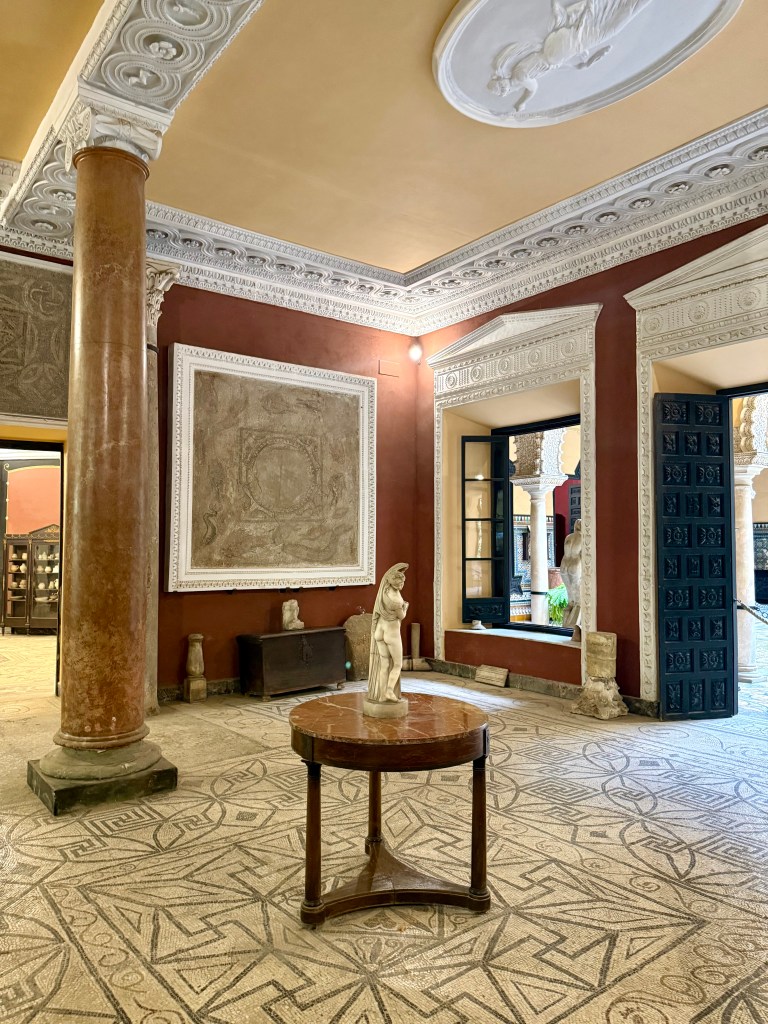
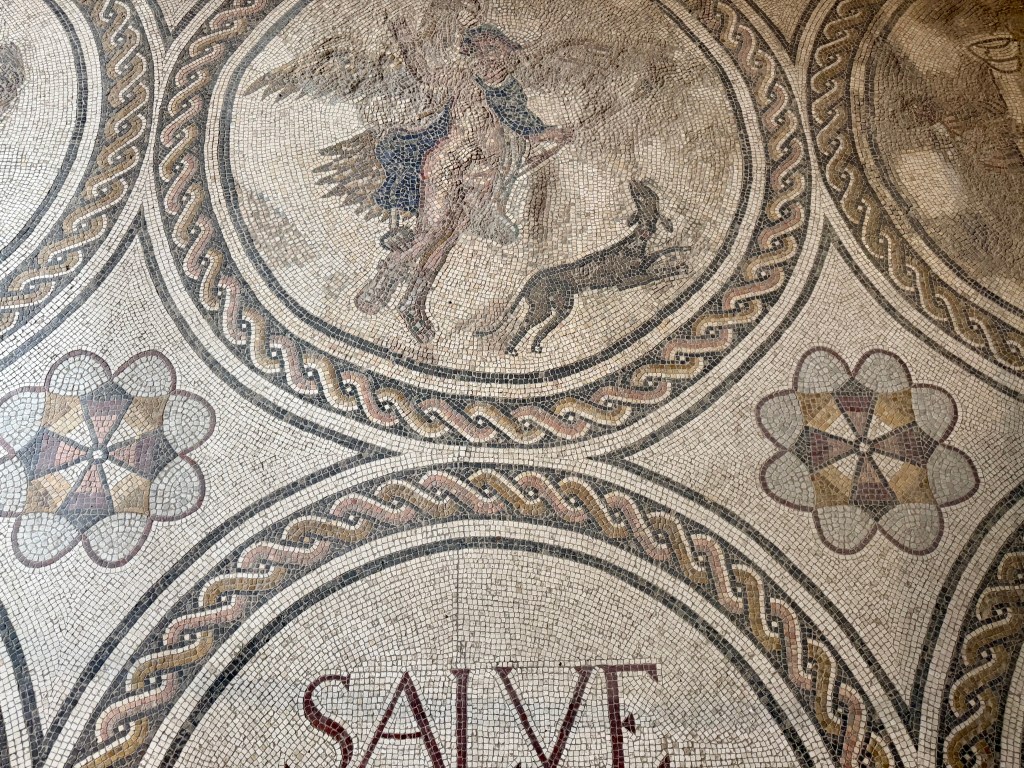
Most astonishing are the mosaics that cover much of the palace’s ground floor. These were brought from the nearby ruins of Italica, the ancient Roman settlement just outside Seville. The countess didn’t merely acquire them; she actively participated in the excavation of the site itself. How they were transported, intact, and installed in the center of a modern city is something I still can’t quite fathom.
I arrived just in time to join a tour of the upper rooms, which turned out to be every bit as lavish as the rest of the house—though, alas, photography wasn’t allowed. Traditional Spanish décor sits comfortably alongside Chinese porcelain, Florentine woodwork, and English china, somehow adding up to a coherent whole rather than chaos. Our guide mentioned that in most casa palacios, bathrooms were located outside the main building—something I was surprised I hadn’t noticed before—but the countess was ahead of her time, installing one conveniently adjacent to her bedroom.
Given all this, it’s surprising that the Palace of the Countess of Lebrija is not better known, or at least not more firmly fixed on the standard Seville itinerary. That it took me four visits to the city to discover it says less about the palace than it does about Seville itself—a place that continues to reward curiosity long after the obvious highlights have been checked off.
 One month in Seville
Leave a comment