Seville has been rainy these past few days. I’ve taken it as an excuse to slow down even further—staying in, reading, and catching up on a few Oscar-nominated movies. As my sightseeing has paused, I’ve had more time for reflection.
Lately, I’ve been thinking about how I used to speak Spanish well—or at least much better than I do now. In high school, it was my favorite class, alongside English. I had an excellent teacher, Señora Mary Ramirez, who made speaking Spanish feel less like a requirement and more like an invitation—rigorous, playful, and a little intimidating in the best way. With her support, I skipped a year of Spanish and took courses at the local St. Norbert College while still in high school.
Señora Ramirez also suggested I take the AP Spanish exam. The class wasn’t offered in our district, so I took the test on my own. I still remember walking into an unfamiliar office building in Green Bay, Wisconsin, and realizing I’d be the only student there. The only part of the exam I remember clearly is the oral section. I was given a comic strip and asked to narrate it, in Spanish, while a tape recorder ran. Una chica está yendo de compras… Or no—no es chica… puede ser chico? I second-guessed everything. There was no rewinding, no starting over. When I left, I remember thinking, Well, at least I tried.
When I later learned I’d received a top score, I was surprised. Señora Ramirez was not—and I owed much of my result to her.
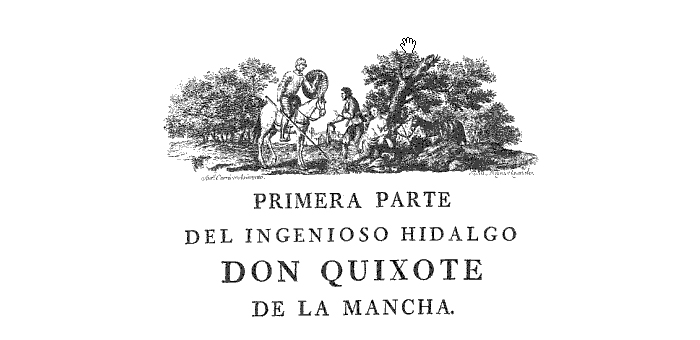
Throughout college, I continued studying Spanish, eventually taking a course on Don Quixote that required reading and interpreting the original text. How I passed that course remains something of a mystery.
Now, nearly two decades later, in Seville, I’ve found myself stumbling with Spanish—especially at the start of my stay. But by insisting that I speak it every day, I’ve grown more comfortable refusing English menus and, when well-meaning people try to accommodate me, gently insisting on Spanish.
Apps like Duolingo have their benefits, for building vocabulary, but nothing replaces real conversation. I looked into Spanish classes before coming to Seville, but most cater to first-timers or twenty-somethings on their gap year—not for me.
When I go back to New York, I’ll find a way to practice more regularly and tap into those latent skills—through private tutoring or appropriate classes. I don’t need to read Don Quixote again, but I’d love to be able to watch an Almodóvar film without relying quite so much on the subtitles.
 One month in Seville
Leave a comment